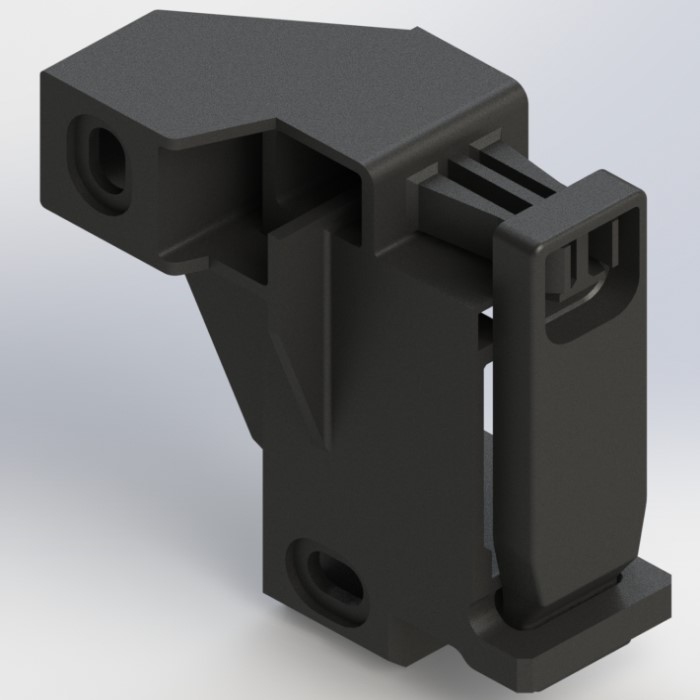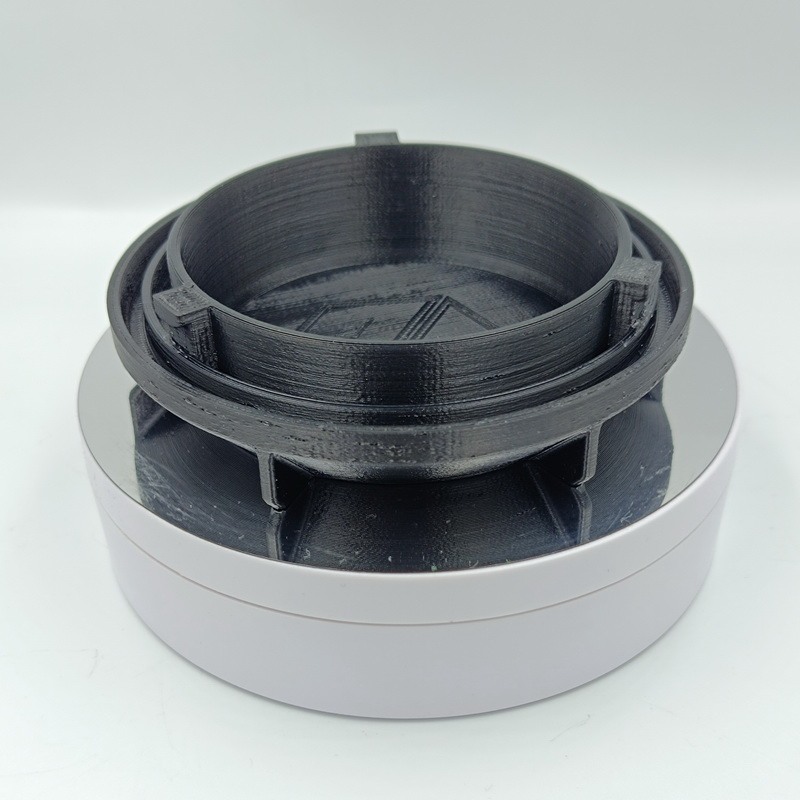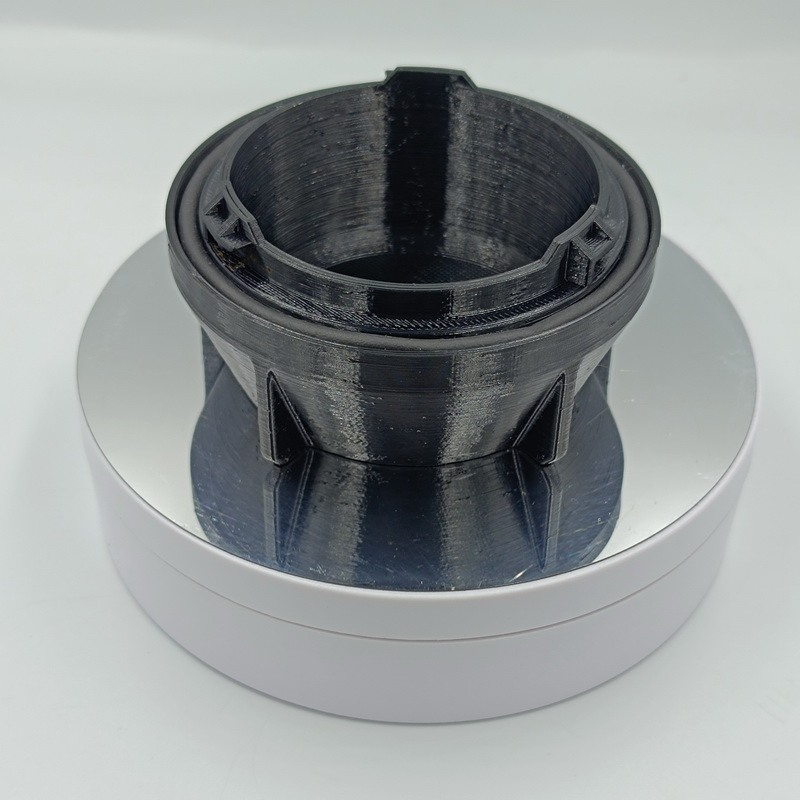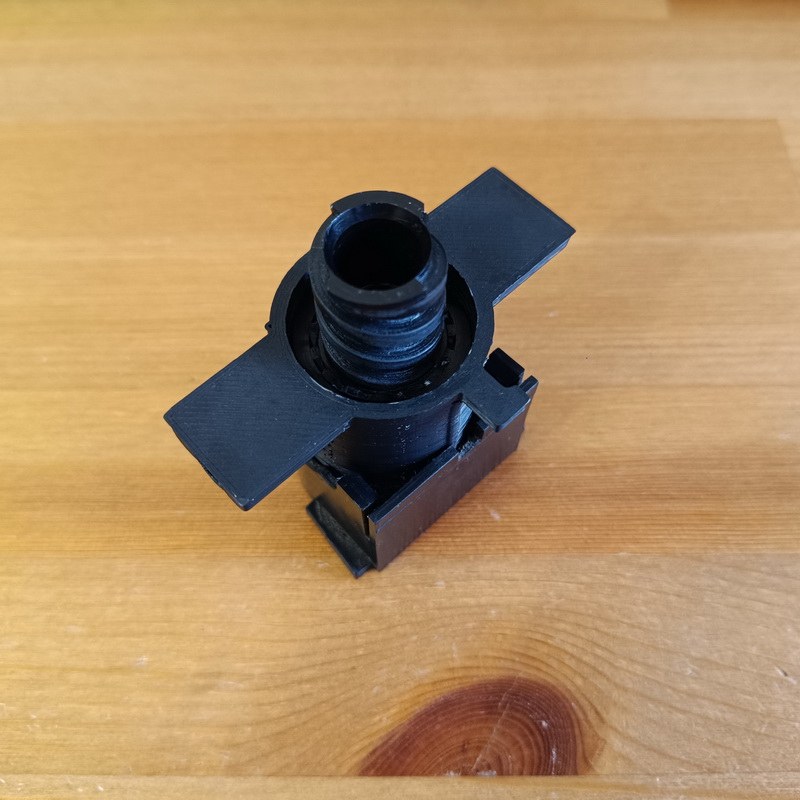

3D printing technologies are the TOP among them
What 3D printing technologies are in the TOP?
Over the past decade, 3D printing technologies have made a tremendous breakthrough in the realms of manufacturing, design, and medicine. With each passing year, this sector continues to expand its horizons, granting us the ability to transform virtual concepts into tangible and functional objects. Among the myriad 3D printing technologies, a few stand out, achieving remarkable results in areas ranging from industrial production to medical research.
In this overview, we will delve into the best and most innovative 3D printing technologies that currently set the standards in the field. From traditional methods like Fused Deposition Modeling (FDM) to advanced solutions such as Bioprinting, each technology boasts unique capabilities and applications. Let’s explore their advantages, possibilities, and impact on both the industrial and medical landscapes to understand how 3D printing shapes the future of manufacturing and technological progress.
1. Fused Deposition Modeling (FDM):
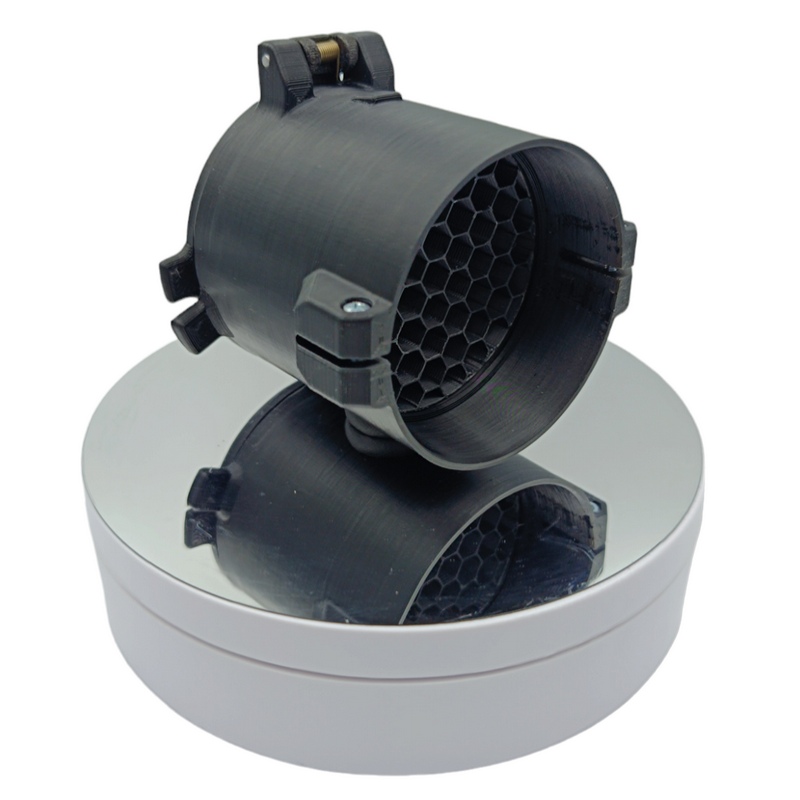
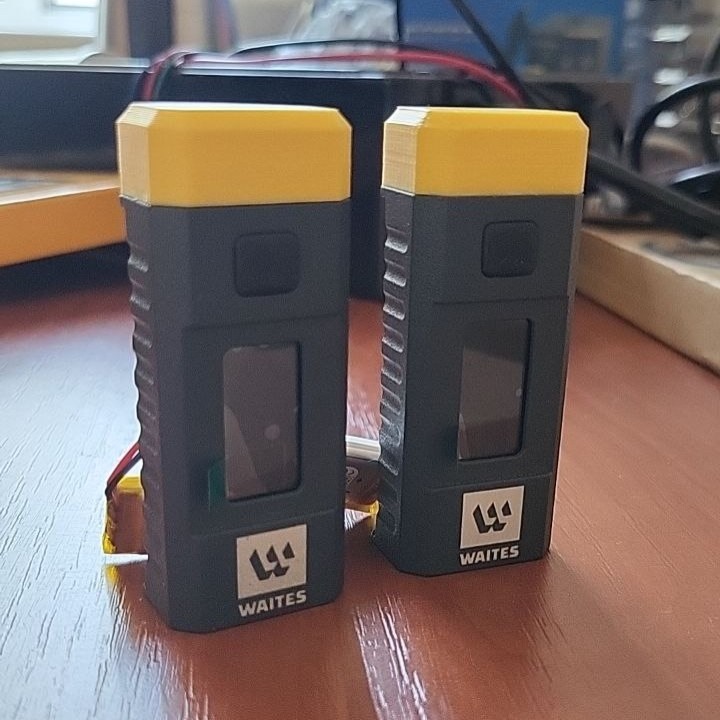
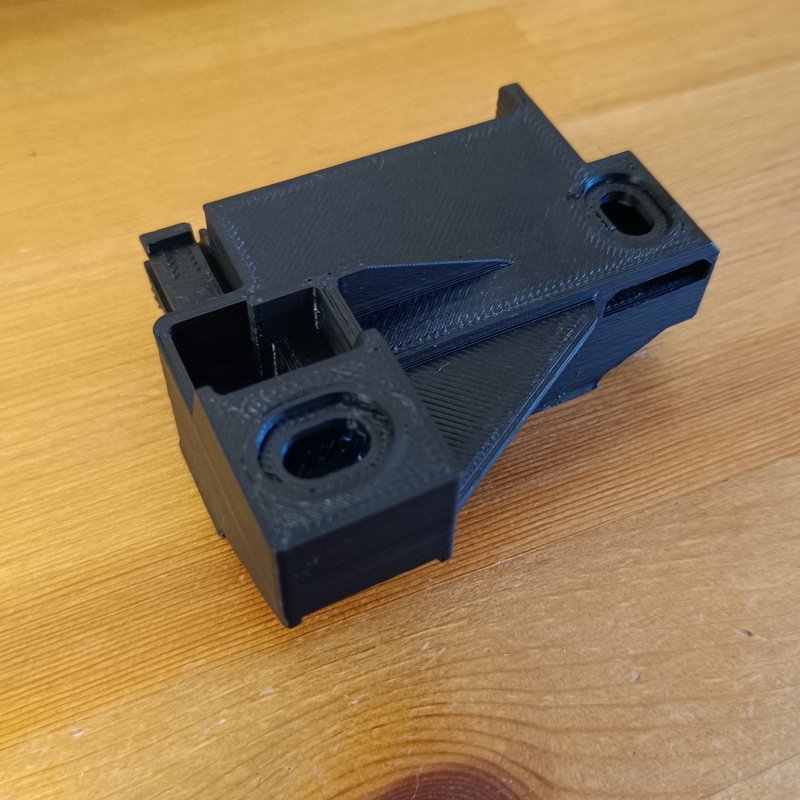
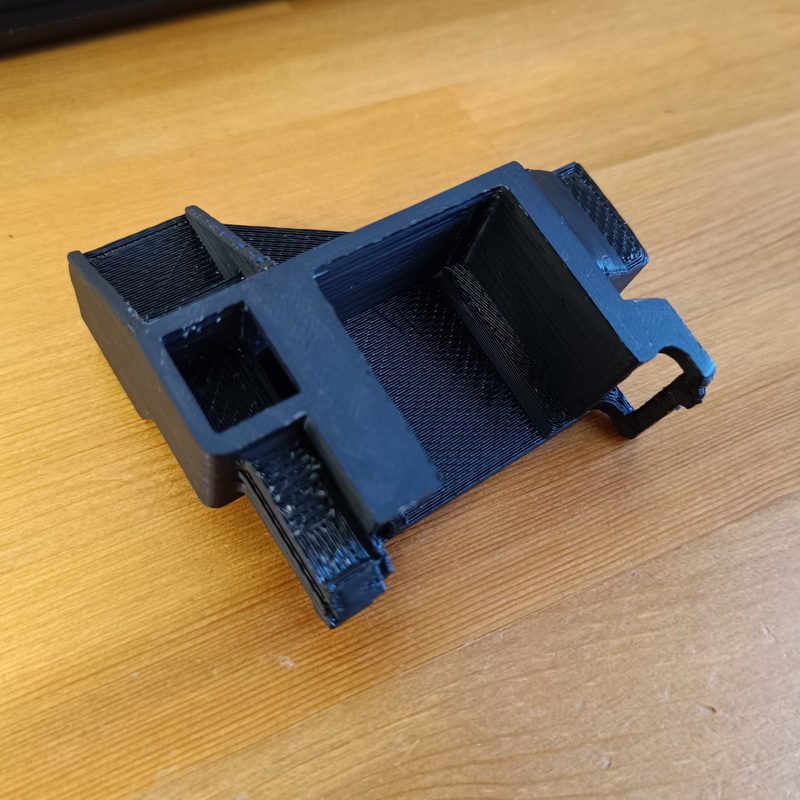
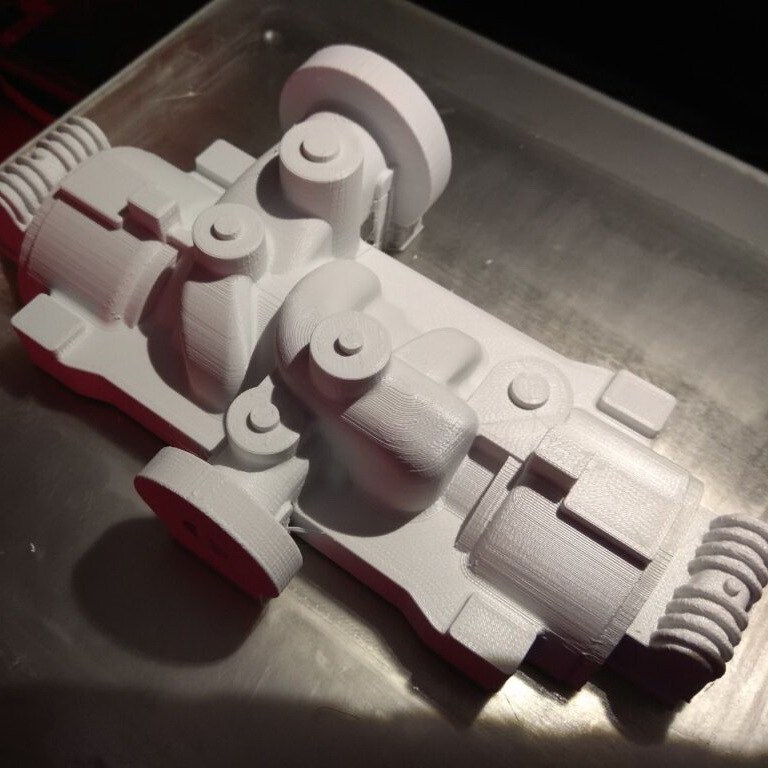
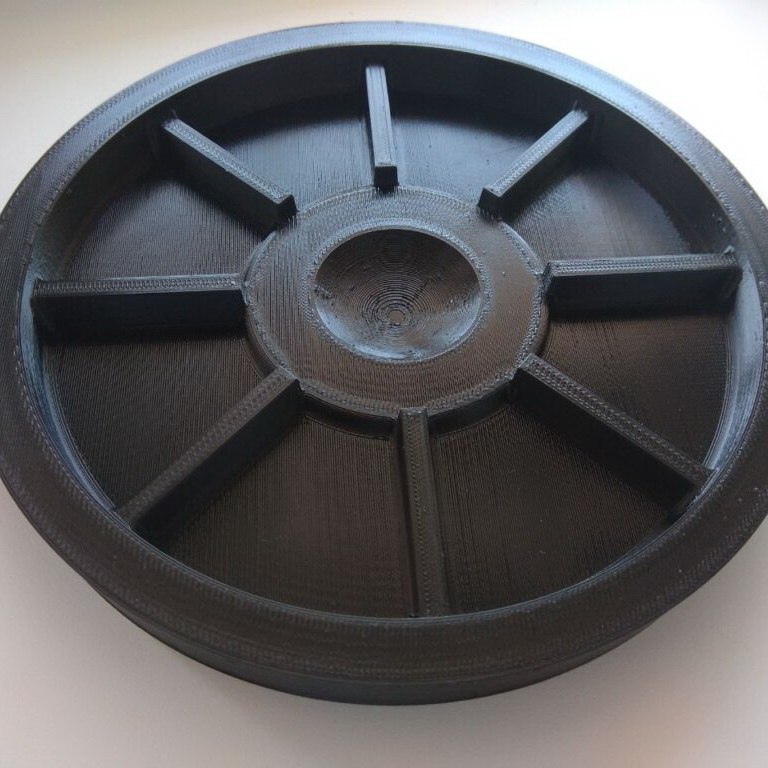
FDM stands out as one of the most popular and accessible 3D printing technologies. In this process, thermoplastic material, typically PLA or ABS, is fed through a heated nozzle located on a movable print bed. The material melts and is deposited layer by layer, creating a three-dimensional object. FDM is utilized for prototyping, manufacturing parts, and even functional products due to the wide range of available materials.
2. Stereolithography (SLA):
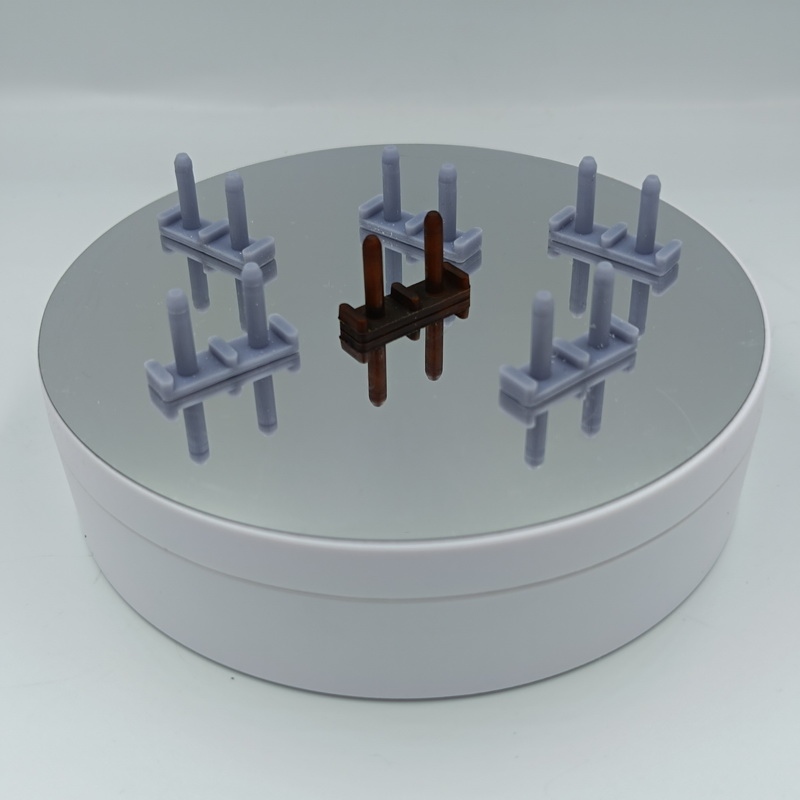
SLA uses ultraviolet radiation to solidify liquid resin-like material. A laser precisely selects areas for exposure, reinforcing them and forming thin layers that constitute the object. This technology provides high resolution and a smooth surface, making SLA ideal for printing high-quality models, jewelry, and prototypes.
3. Selective Laser Sintering (SLS):
SLS employs a laser to heat and fuse powder made from various materials such as nylon, polyamide, or metals. This approach enables the creation of parts with high strength and complex geometry. SLS finds wide applications in aviation, automotive industries, and medicine.
4. Multi Jet Fusion (MJF):
MJF utilizes a technology similar to inkjet printing, depositing toner onto the surface of a powdered bed. A laser then fuses the toner, creating the object layer by layer. This technology enables high-speed and cost-effective printing with high quality, particularly effective for producing large quantities of parts.
5. Bioprinting:
Bioprinting emerges as a promising direction for the medical industry. This technology uses cells and biomaterials to create tissues and organs, opening avenues for the production of individualized and transplant-ready organs. Additionally, it facilitates research in the fields of medical science and therapy.
These 3D printing technologies continue to revolutionize manufacturing, design, medicine, and various other industries, offering new possibilities and paving the way for innovation.