
Tolerances in 3D printing
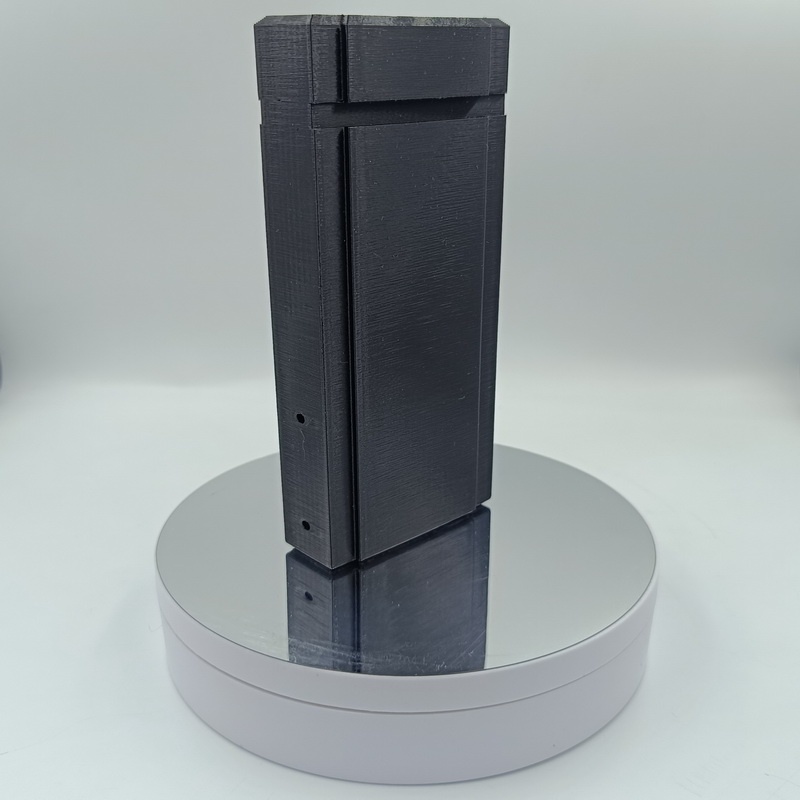
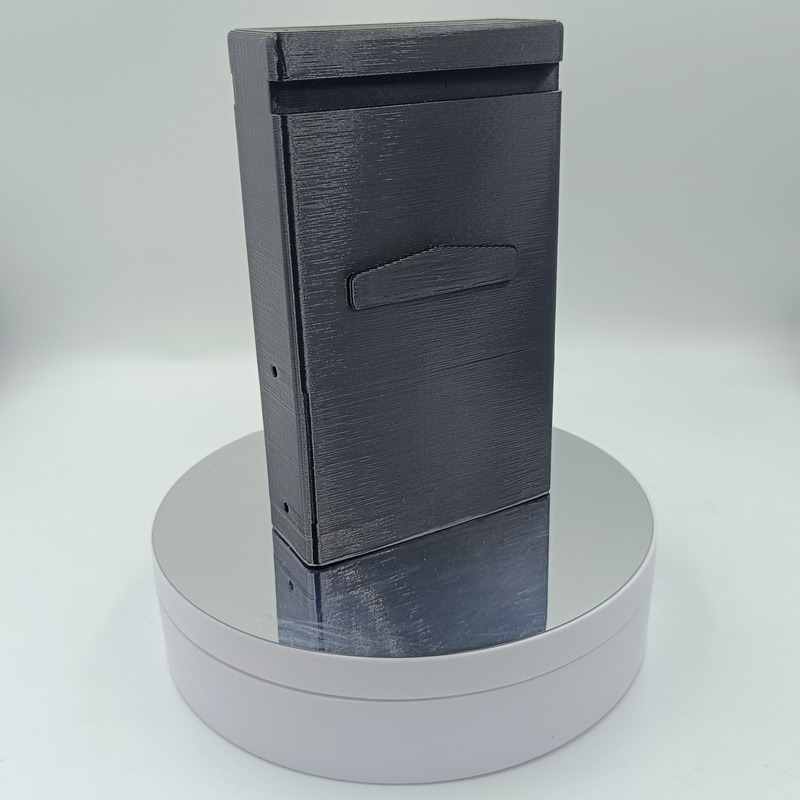
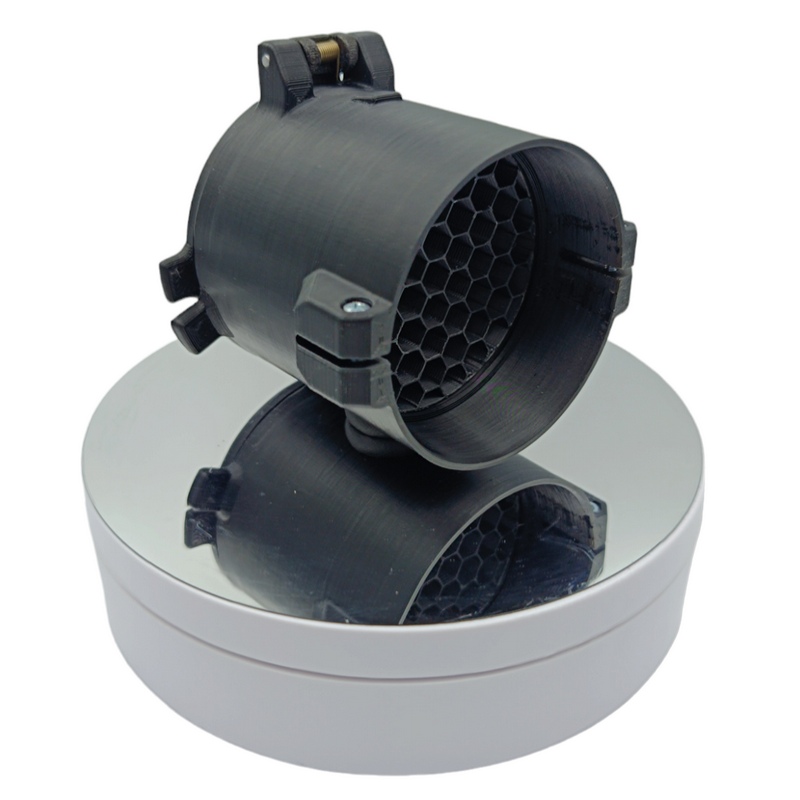
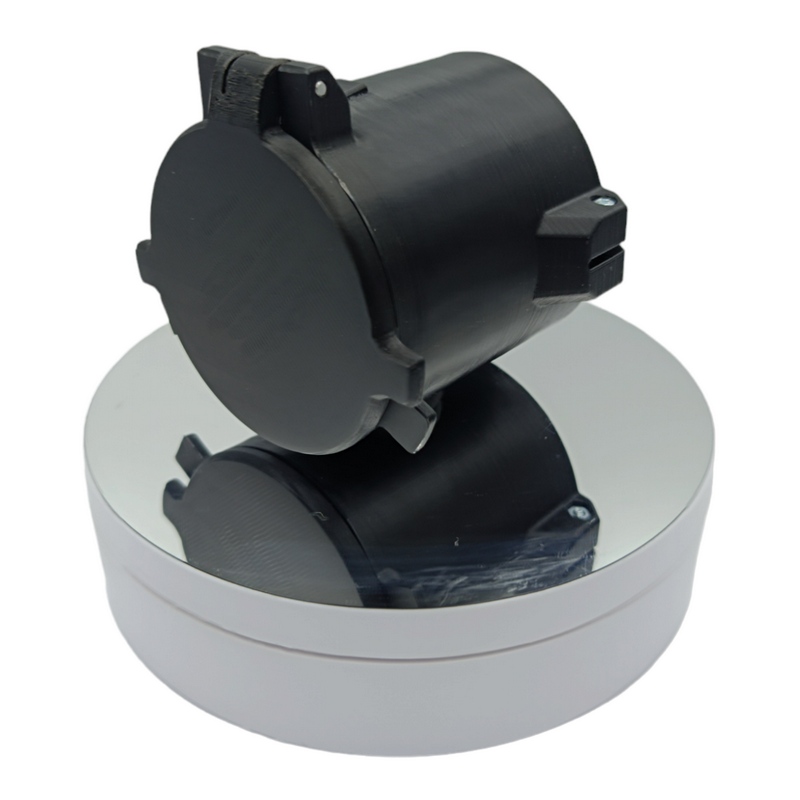
Tolerances in 3D printing technologies indicates how accurately an object created using these technologies aligns with the specified dimensions. Tolerances can vary depending on the specific technology, material, equipment, and other factors. Typically, size tolerances for SLA, FDM, and MJF 3D printing technologies are as follows:
- Linear Tolerance: Typically ranges from ±0.1 mm to ±0.2 mm, but for more high-precision systems, it can be even smaller.
- Dimensional Tolerance: Depends on the size of the object but for average projects, it may range from ±0.1% to ±0.5% of the size.
FDM (Fused Deposition Modeling):
- Linear Tolerance: Generally larger, ranging from ±0.2 mm to ±0.5 mm, but this can depend on the type of printer and chosen material.
- Dimensional Tolerance: Also depends on the size of the object and the material used, often ranging from ±0.3% to ±0.5% of the size.
- Linear Tolerance: Typically smaller compared to FDM, approximately from ±0.1 mm to ±0.3 mm.
- Dimensional Tolerance: Also depends on the size of the object but may fall within ±0.2% to ±0.5%.
It’s important to note that tolerances may vary depending on specific printing conditions, parameters, and project requirements. When adjusting printer settings, manufacturers often provide specific tolerance values for each particular technology and material.