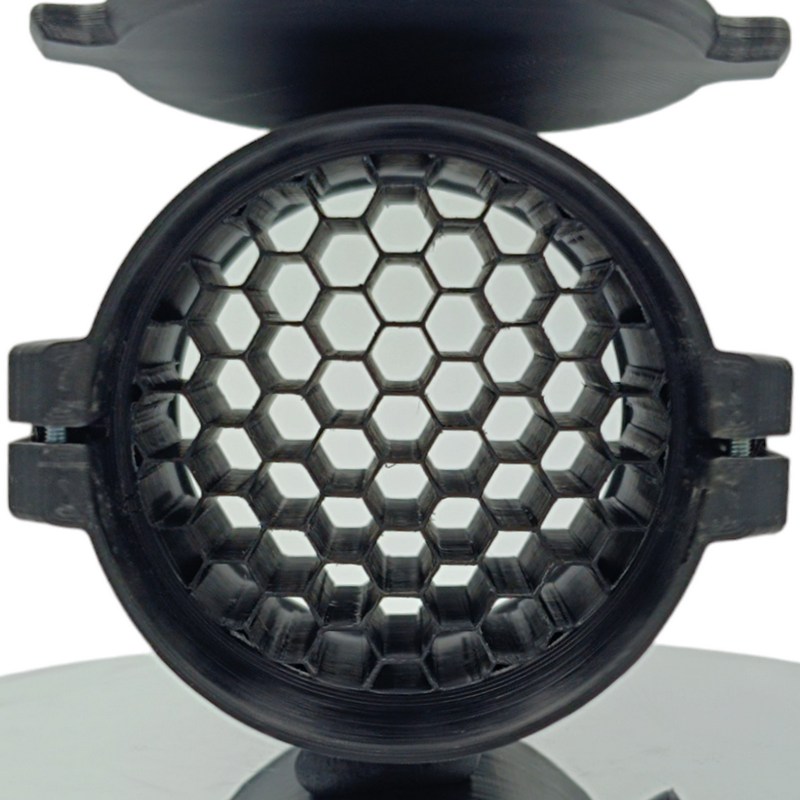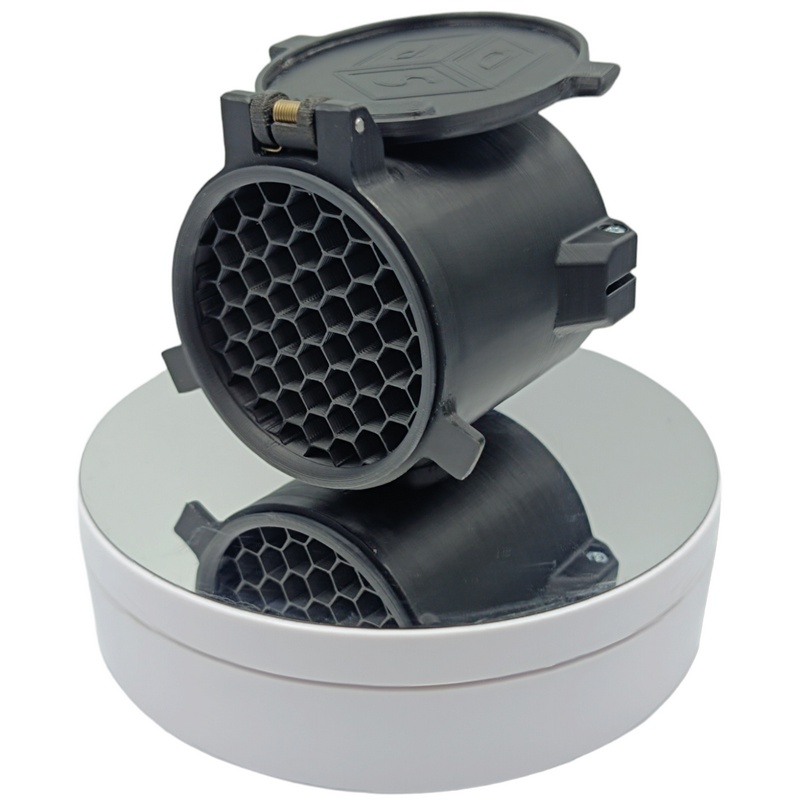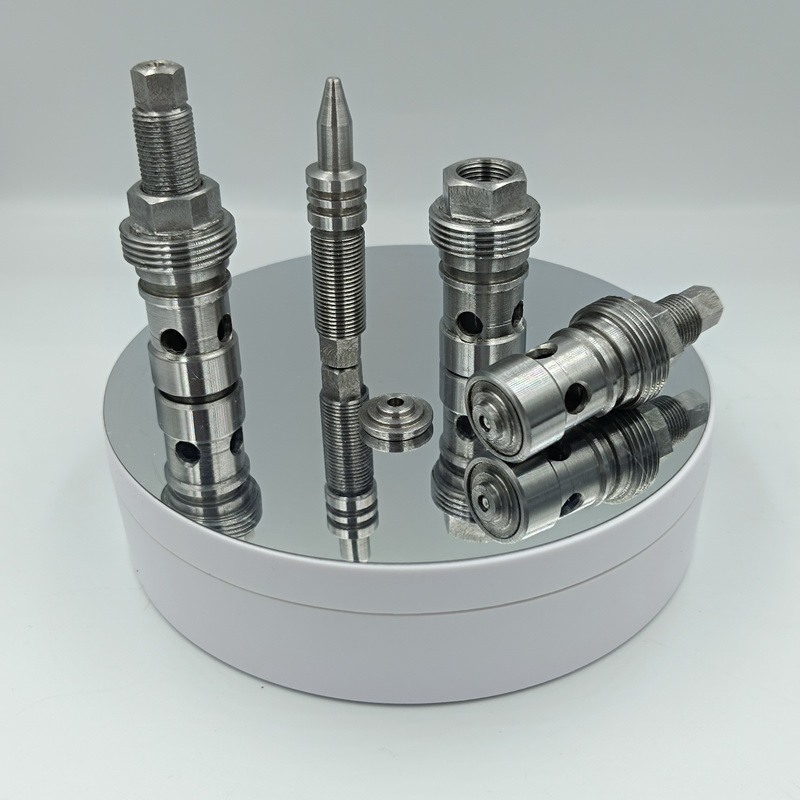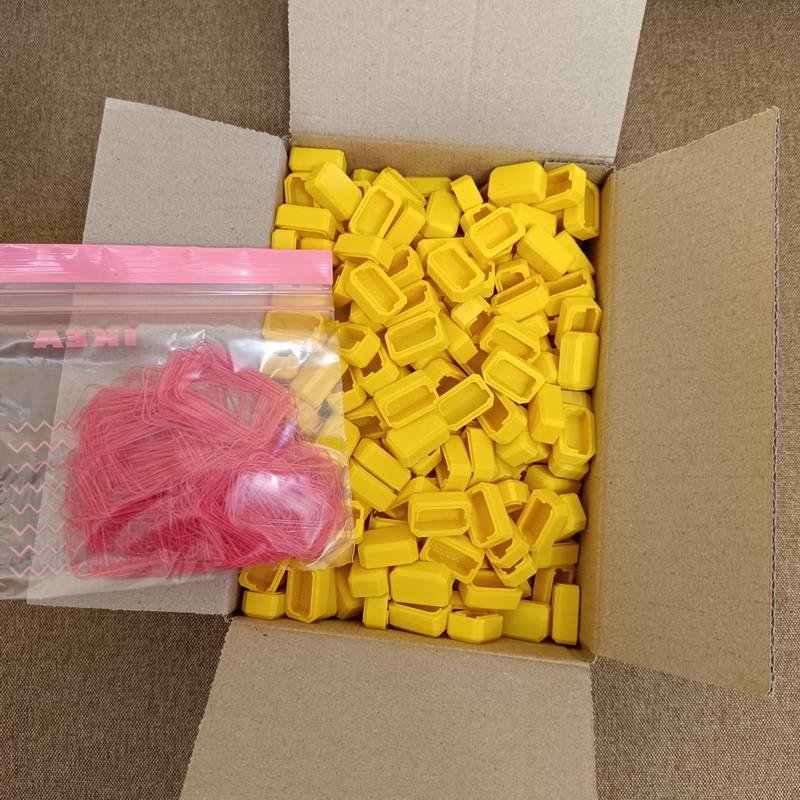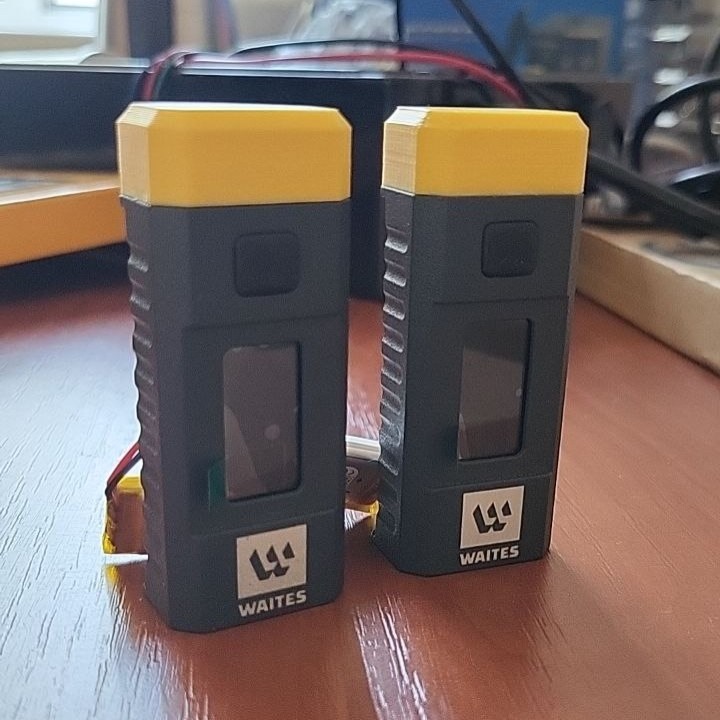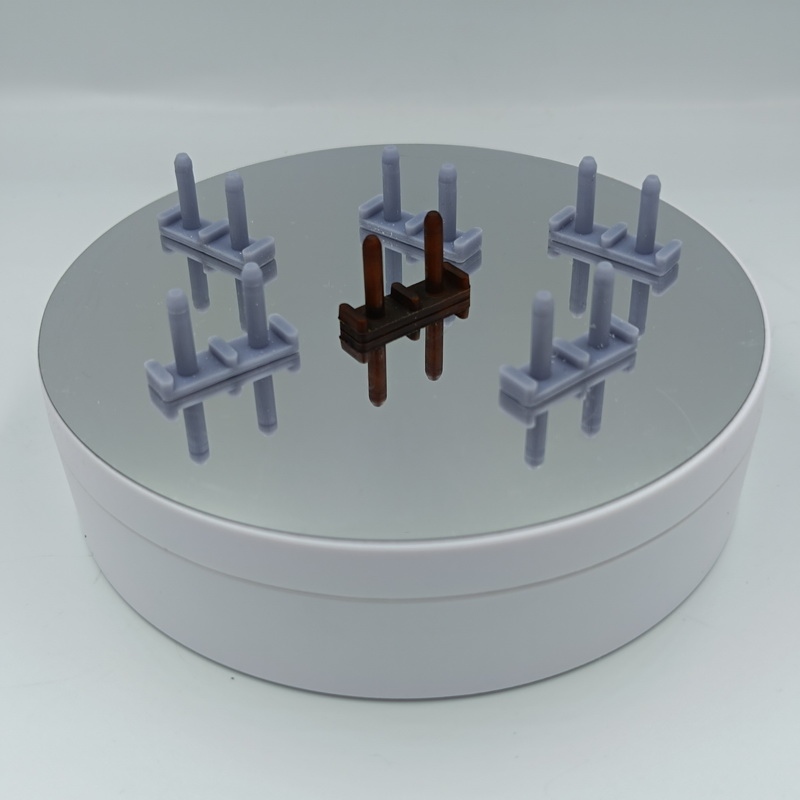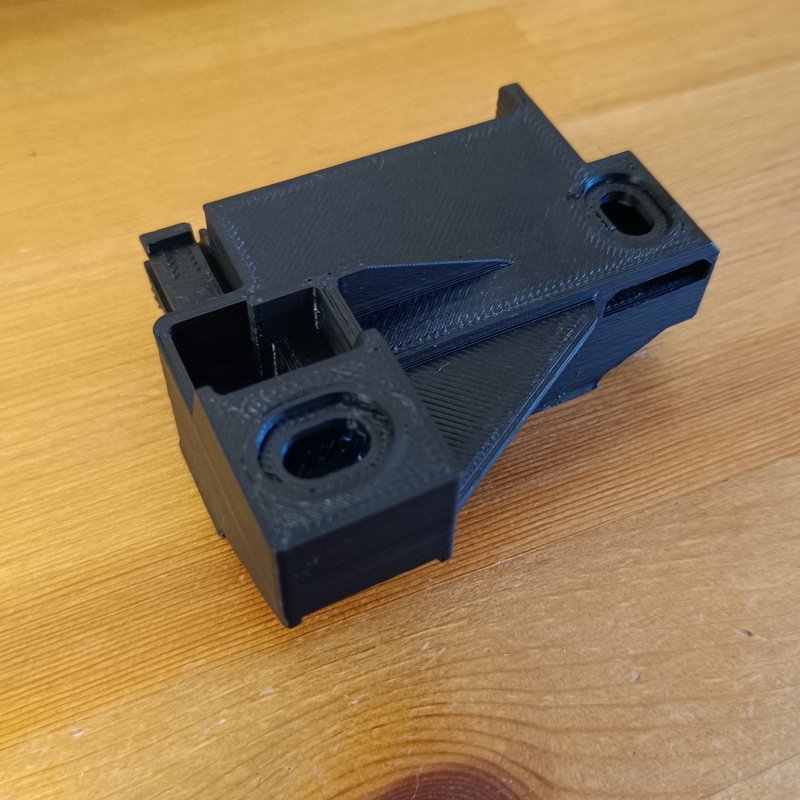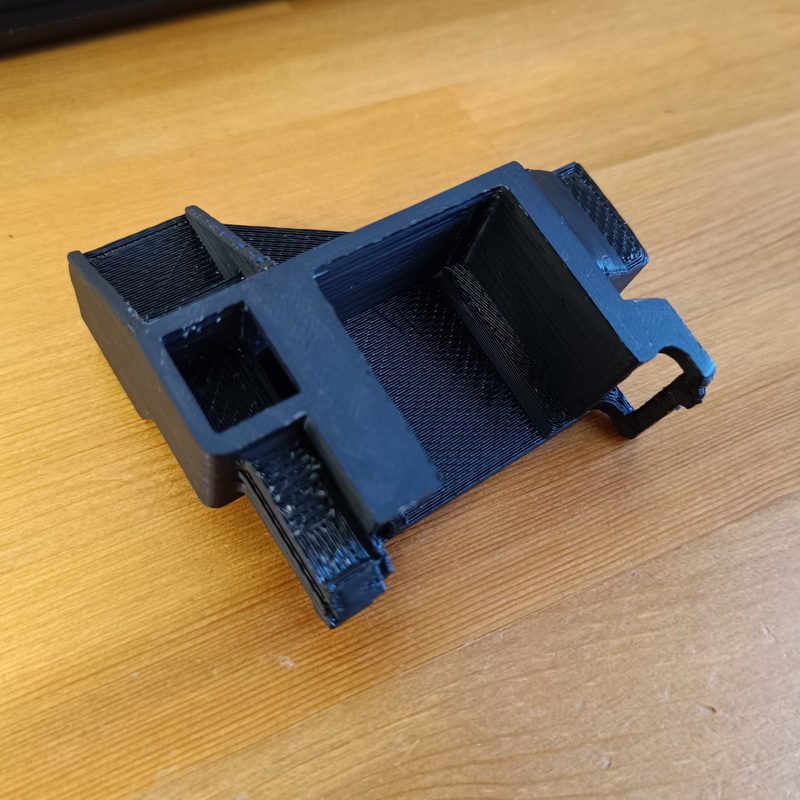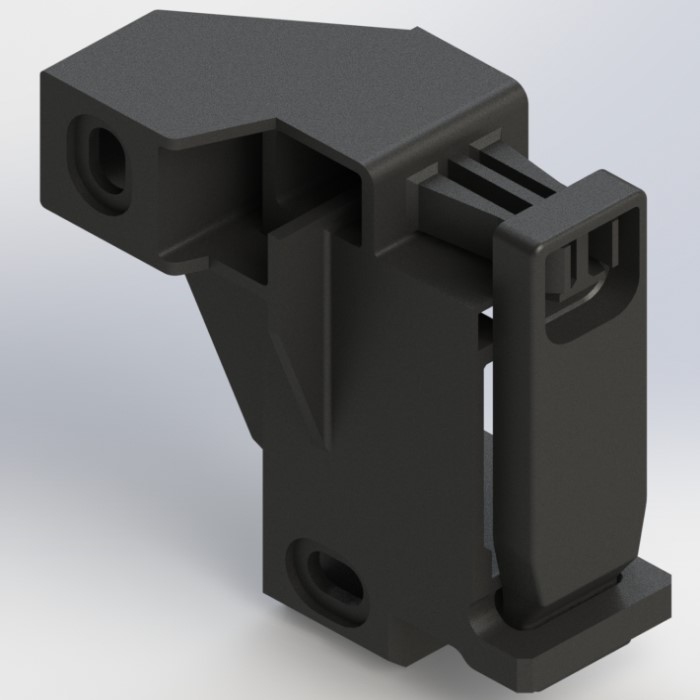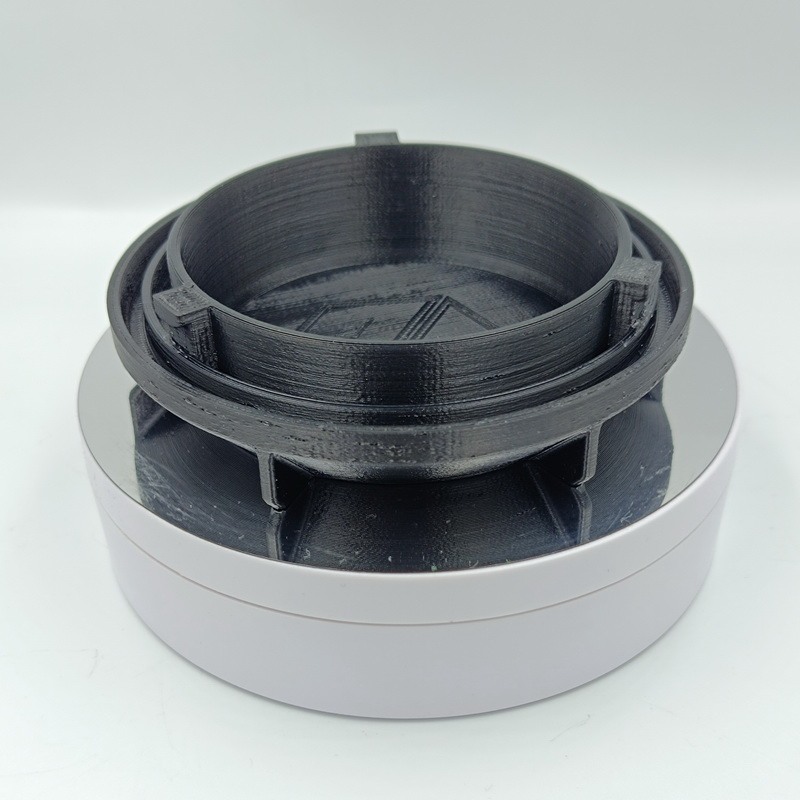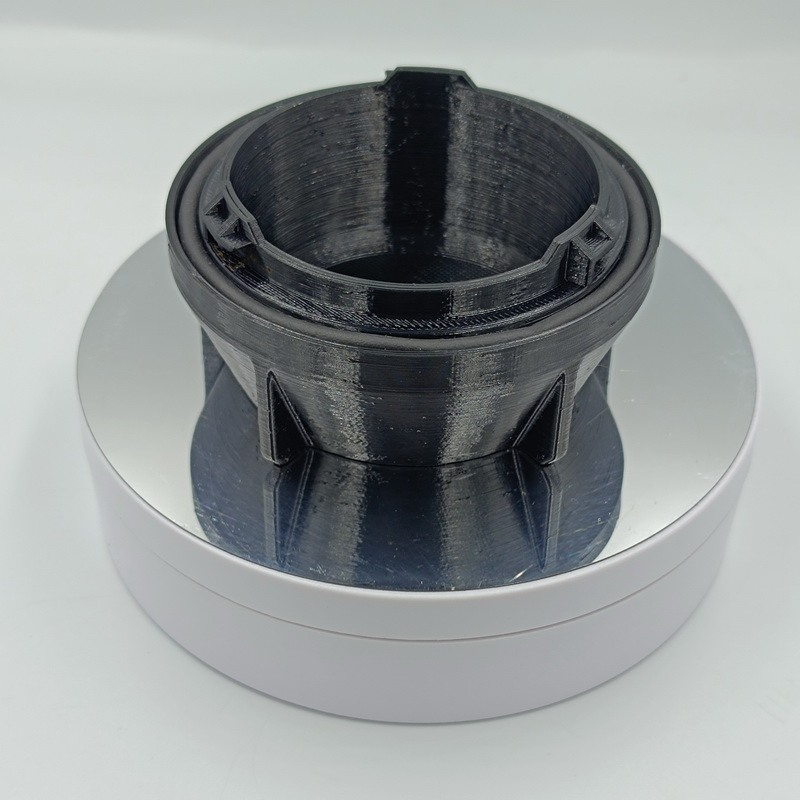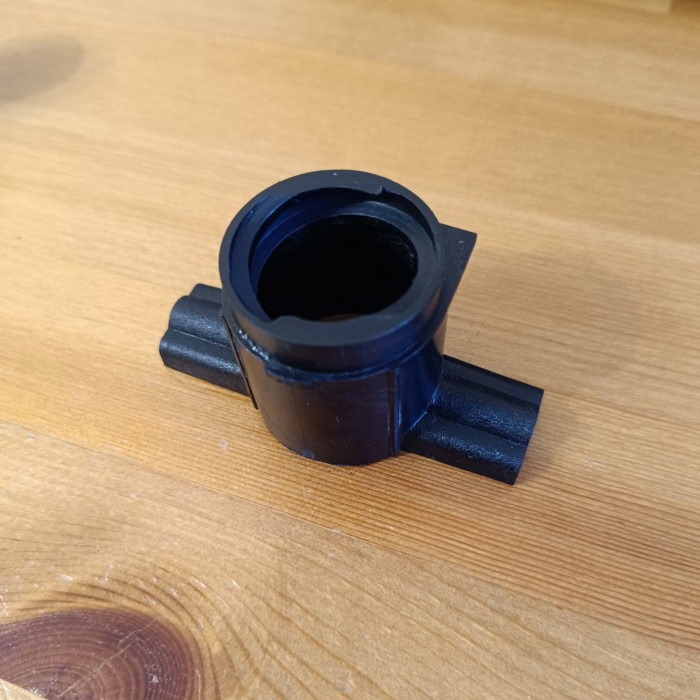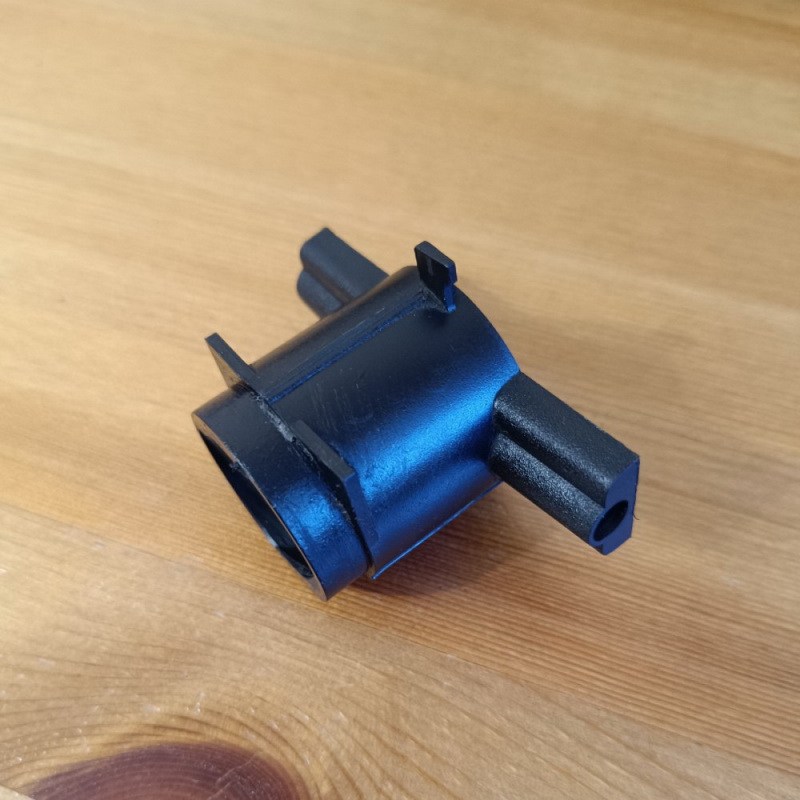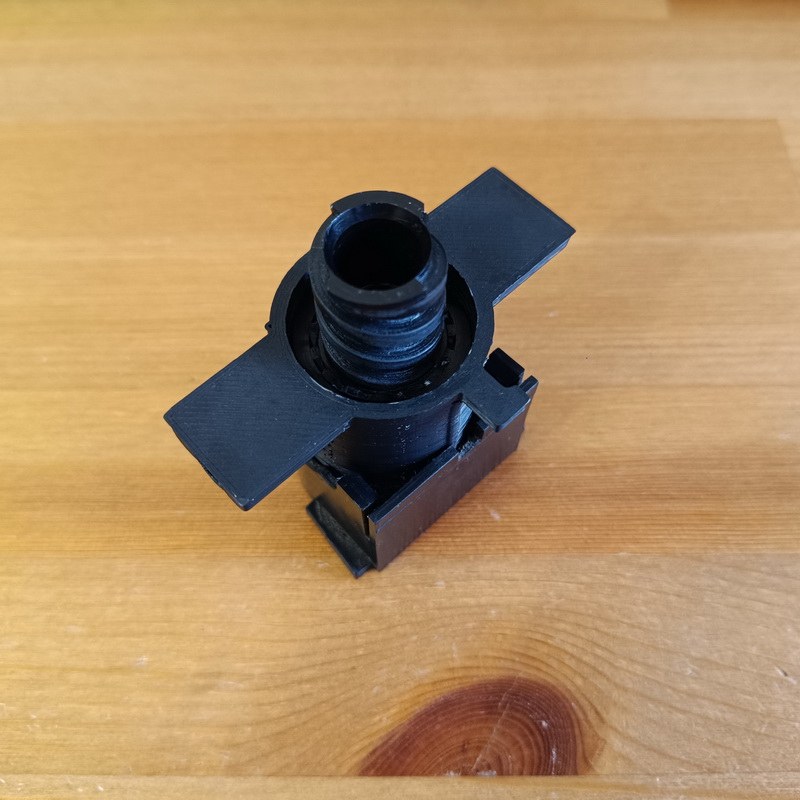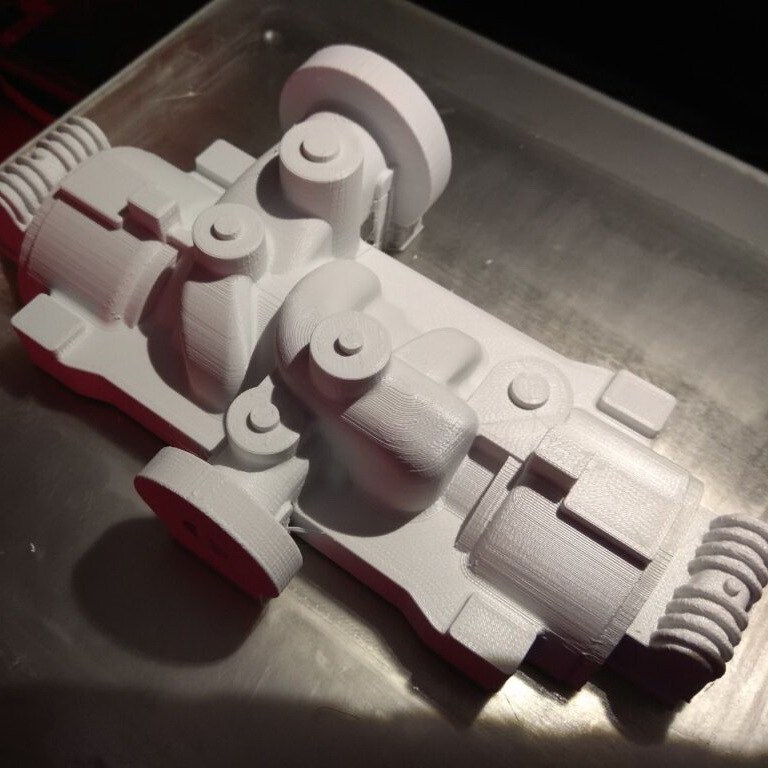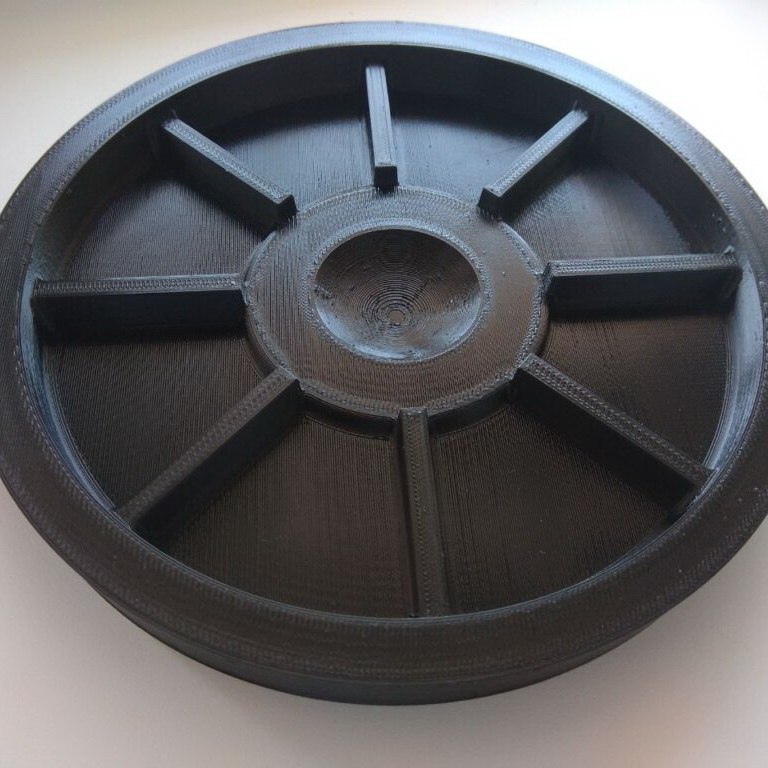

Let’s consider materials for 3D printing, which is a revolutionary technology that unlocks limitless possibilities in creating physical objects. Among the most popular methods of this technology are SLA (Stereolithography), FDM (Fused Deposition Modeling), and MJF (Multi Jet Fusion). Each of these technologies has its unique features and applications, requiring the use of specialized materials. Let’s explore the most common materials used for each of the mentioned 3D printing technologies.
Materials for 3D printing using SLA (stereolithography) technology:
- Photopolymers:
- Photopolymers are liquids that solidify under the influence of laser light or ultraviolet radiation. These materials offer high resolution and the ability to create detailed objects with precision. They are available in various colors and properties.
- Acrylics:
- Acrylics encompass various acrylic resins with different properties such as rigidity, transparency, and flexibility. They are used for creating transparent models or functional prototypes.
- Photosensitive Polymers:
- Developed for specific requirements like high heat resistance or medical applications, photosensitive polymers enable the production of precise and detailed objects.
Materials for FDM Technology (Fused Deposition Modeling):
- PLA (Polylactic Acid):
- PLA is a biodegradable polymer, lightweight, and ideal for producing small objects and prototypes. It is made from heat and UV-resistant material.
- ABS (Acrylonitrile Butadiene Styrene):
- ABS is a strong and heat-resistant material, commonly used for creating durable and mechanically robust parts.
- PETG (Polyethylene Terephthalate Glycol):
- PETG combines the properties of PLA and ABS, offering high strength and resistance to chemicals, suitable for creating lightweight and sturdy parts.
- TPU (Thermoplastic Polyurethane):
- TPU is a flexible material, perfect for producing flexible and elastic products like springs and sealing components.
- Nylon:
- Nylon belongs to engineering polymers, known for its high tensile strength and wear resistance.
- PC (Polycarbonate):
- PC is a linear polyester of carbonic acid and aromatic alcohol, providing high transparency and strength, often used in various industries.
- PA12 (Polyamide 12):
- PA12 offers high impact strength and resistance to many chemicals, suitable for a range of applications.
- ASA (Acrylonitrile Styrene Acrylate):
- ASA is developed to replace ABS plastic, with enhanced weather resistance and impact strength.
- PBT (Polybutylene Terephthalate):
- PBT is a crystallizable polymer widely used in construction, automotive, electronics, and more.
- PP (Polypropylene):
- PP is a semi-crystalline thermoplastic known for its chemical resistance and low density.
It’s important to note that there is a wide selection of materials for FDM technology, depending on project requirements. The mentioned ones are the most common, and other plastics are derivatives or composites with added materials like carbon, copper, aluminum, etc. For a full list of materials, you can refer to this link
Materials for MJF Technology (Multi Jet Fusion):
- Polyamides:
- PA11 and PA12 are the most common polyamides used for creating strong and lightweight objects, with high wear and chemical resistance.
- Thermoplastic Polyurethanes (TPU):
- TPU provides flexibility and elasticity for products requiring dual properties, commonly used for creating sealing or flexible components.
- Filled Polymers:
- These may contain fillers like glass or ceramics to enhance mechanical properties, suitable for creating strong and resilient objects.
- Polypropylene:
- Used for producing lightweight and durable parts applied in various industrial settings, characterized by low density and chemical resistance.