
How to reduce the cost of 3D printing?
To reduce the cost of 3D printing, optimization of various aspects of the process can be used. Here are some general tips:
1. Use More Cost-Effective Materials:
- Choose more affordable and economical materials for printing. For basic models that don’t bear heavy loads, PLA or ABS plastics are suitable, while for functional items, consider engineering plastics like TPU, Nylon, or Elastane.
2. Employ More Efficient Technologies:
- Some 3D printing technologies may be more costly than others. The choice of technology depends on both the product requirements (surface quality, functionality, mechanical properties, etc.) and the volume of items needed. Consider the following applications for different technologies:
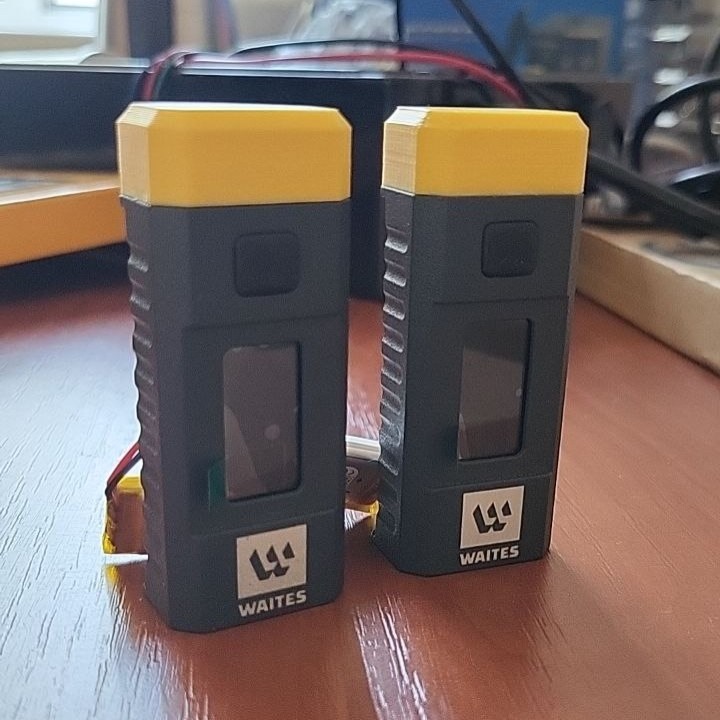
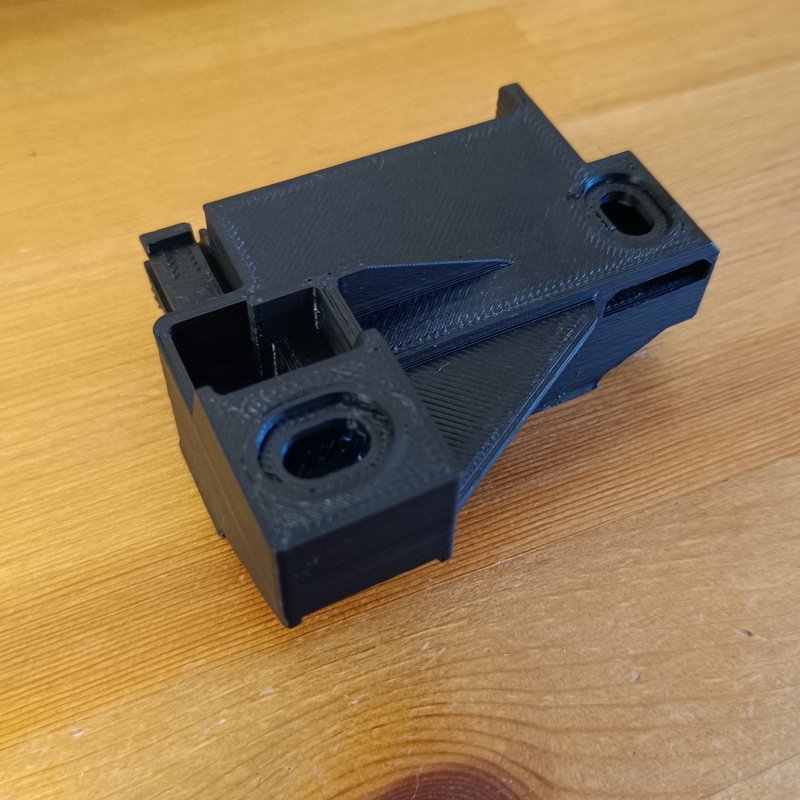
- Fused Deposition Modeling (FDM): Prototyping, parts, functional objects.
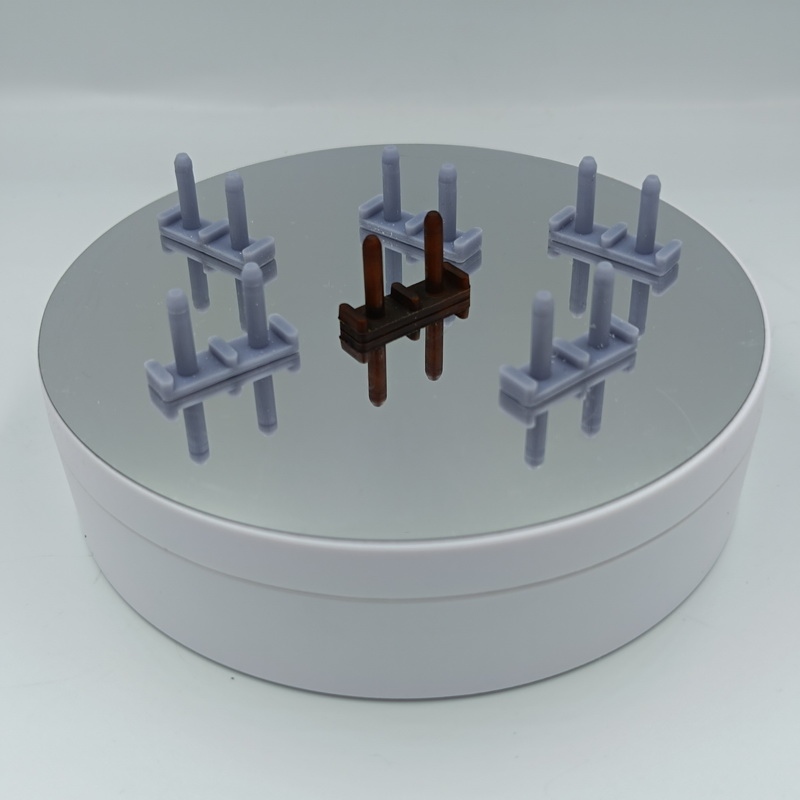
- Stereolithography (SLA): High-quality models, jewelry, prototypes.
- Selective Laser Sintering (SLS): Complex geometry parts, aviation, medical applications.
- Multi Jet Fusion (MJF): High-speed and cost-effective printing for large volumes.
3. Develop Efficient Designs:
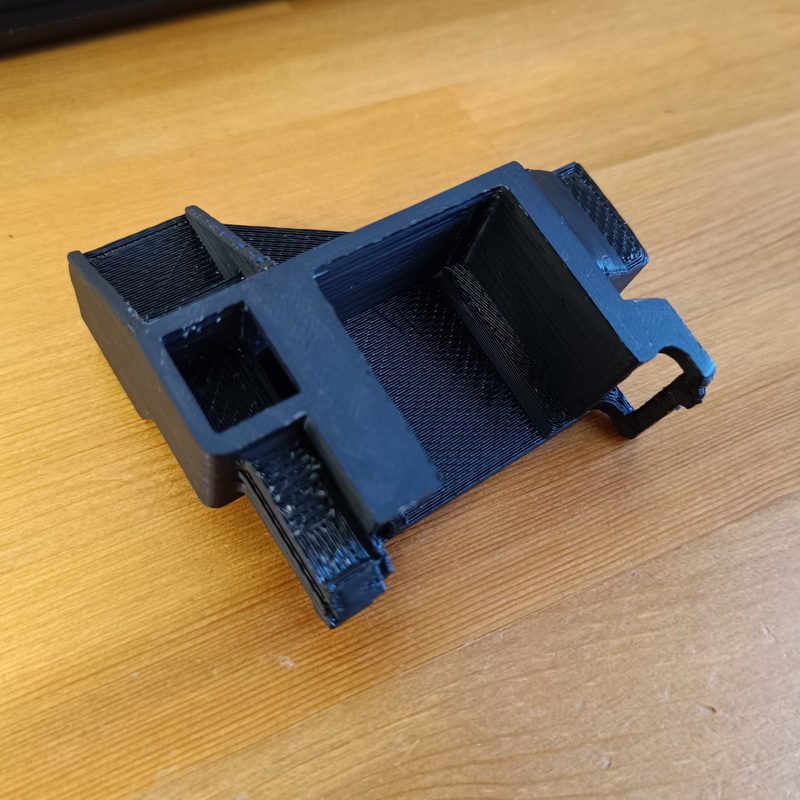
- Optimize 3D models to use materials efficiently and minimize waste. Avoid overhanging elements in models for FDM and SLA technologies, as supports are used during printing and then removed, essentially becoming 3D printing waste.
4. Effective Print Management:
- Balance print quality and speed. Some tasks may require lower resolution or quality, reducing material and time costs. If high surface quality and detailing are essential, SLA is suitable. For functional prototypes with no special surface quality requirements, FDM may be sufficient.