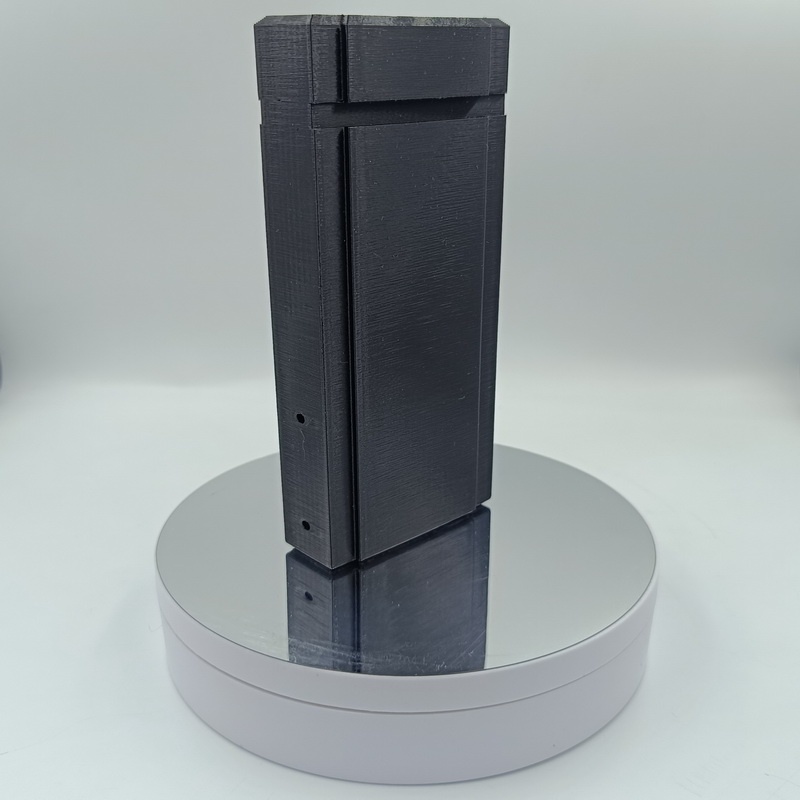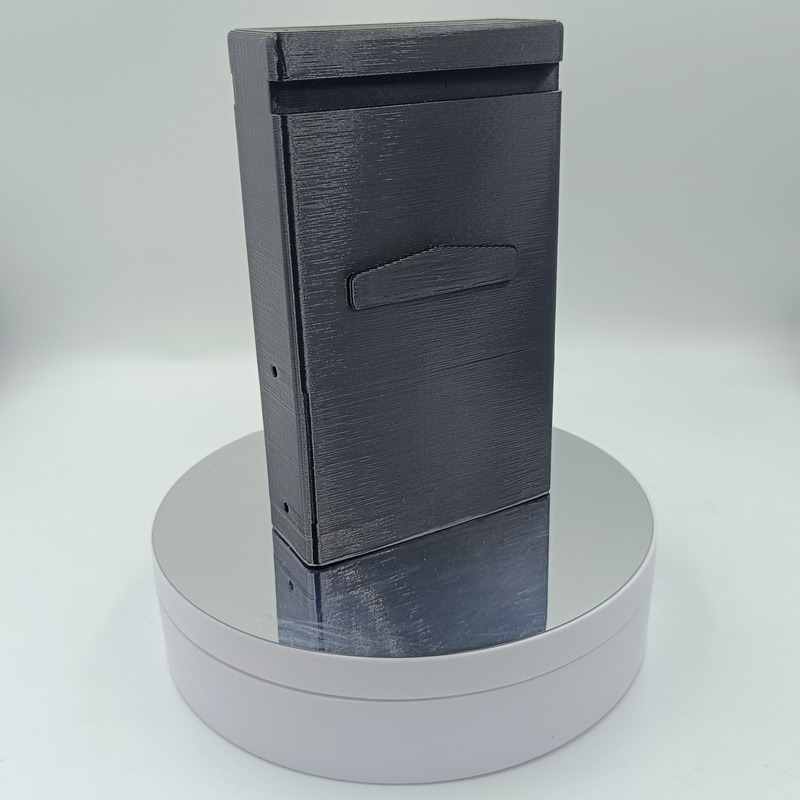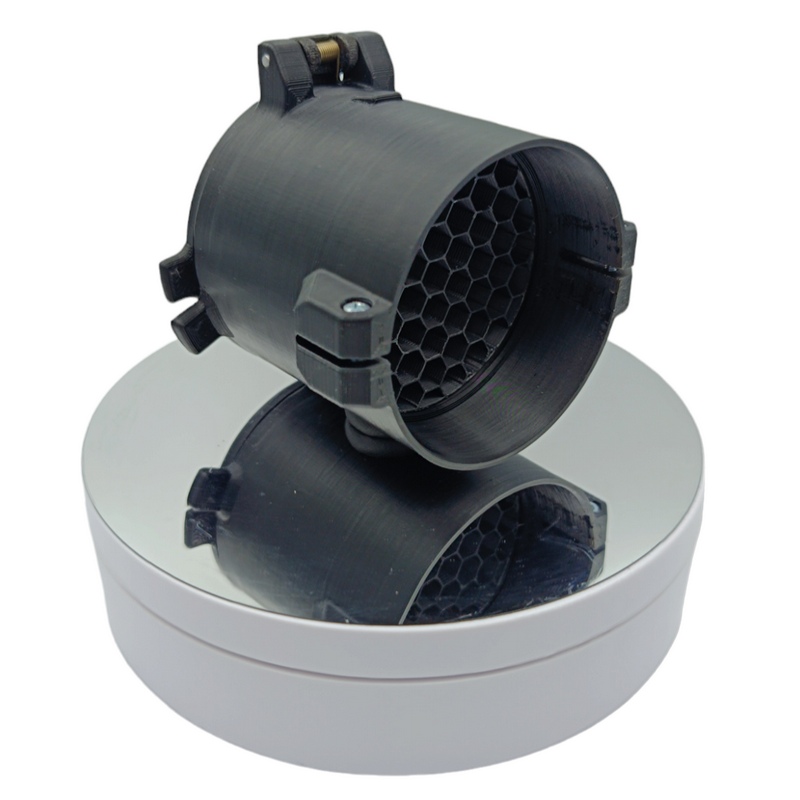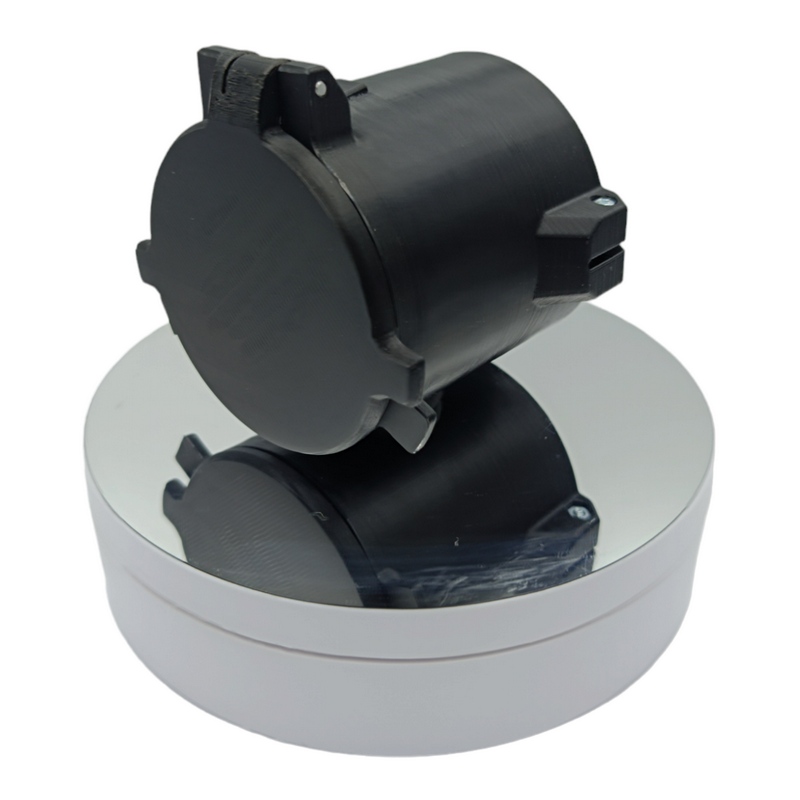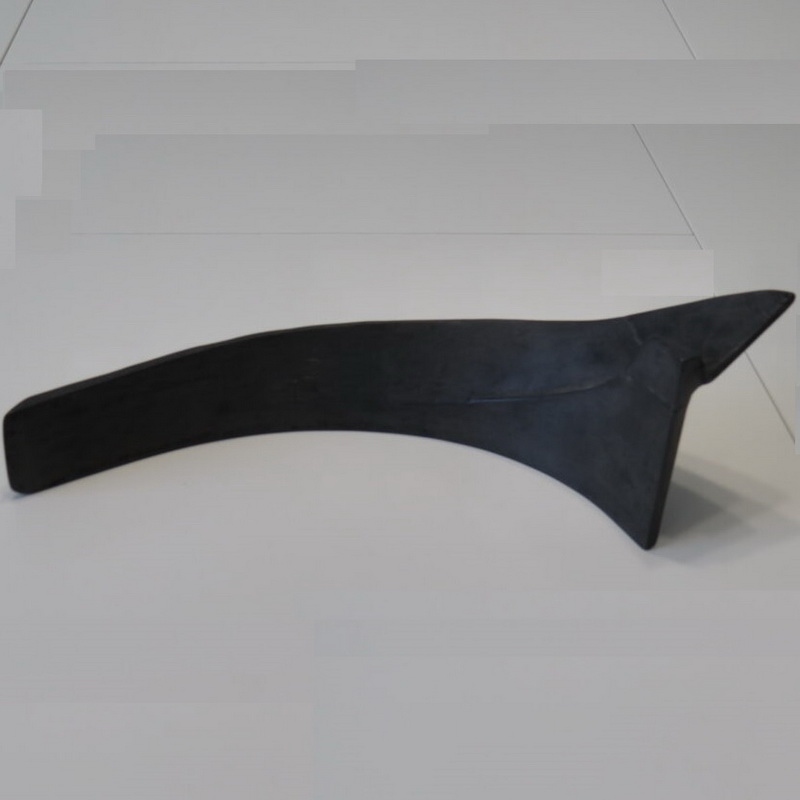

How to get the required surface after printing?
Achieving the required surface after 3D printing may require additional post-processing depending on the printing technology, material and your specific requirements. Here are some general tips:
1. Sanding and Finishing (depending on the material):
- Some materials may require sanding or other finishing processes to remove imperfections and improve the surface. For example, the use of abrasives or polishing compounds can enhance the overall appearance of the print.
2. Chemical Treatment of Parts:
- For Stereolithography (SLA) and Fused Deposition Modeling (FDM): Additional chemical processes can be employed to enhance surface quality. Certain solvents or treatments may be used to improve smoothness.
3. Thermal Processing (depending on the technology):
- Some 3D printing technologies utilize heat treatment to improve mechanical properties and the overall appearance. For instance, thermal processing can be employed to create more transparent or durable parts.
4. Painting (optional):
- If a specific color or appearance is desired, consider the option of painting the print. The use of aerosol paints, acrylic paints, or other coatings can help achieve the desired effect.
Before choosing a post-processing method, it is important to consider the properties of the specific material and printing technology. In some cases, experimentation may be necessary to find the optimal approach to achieve the desired result.