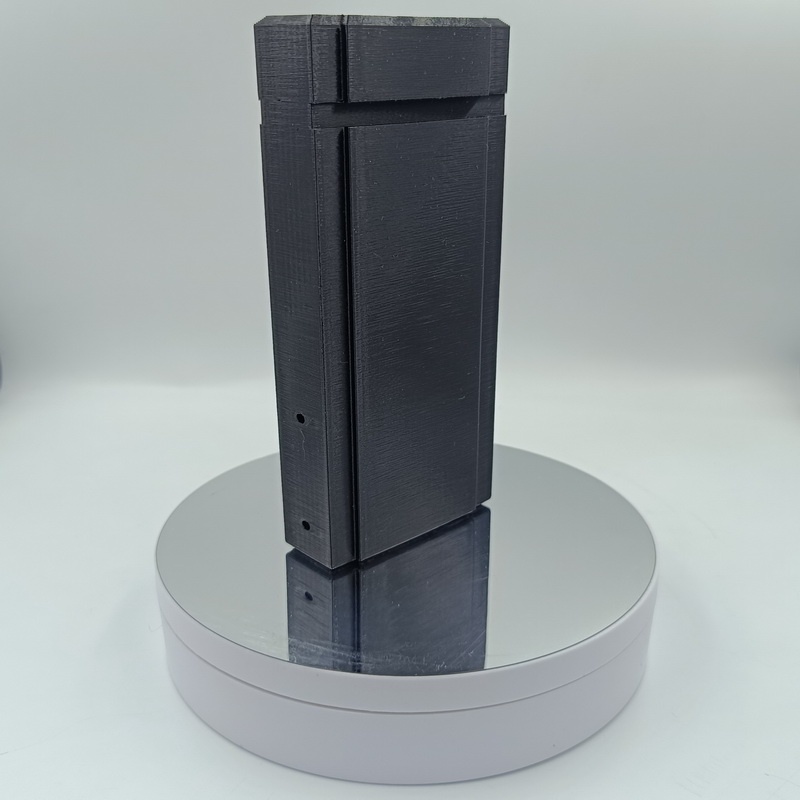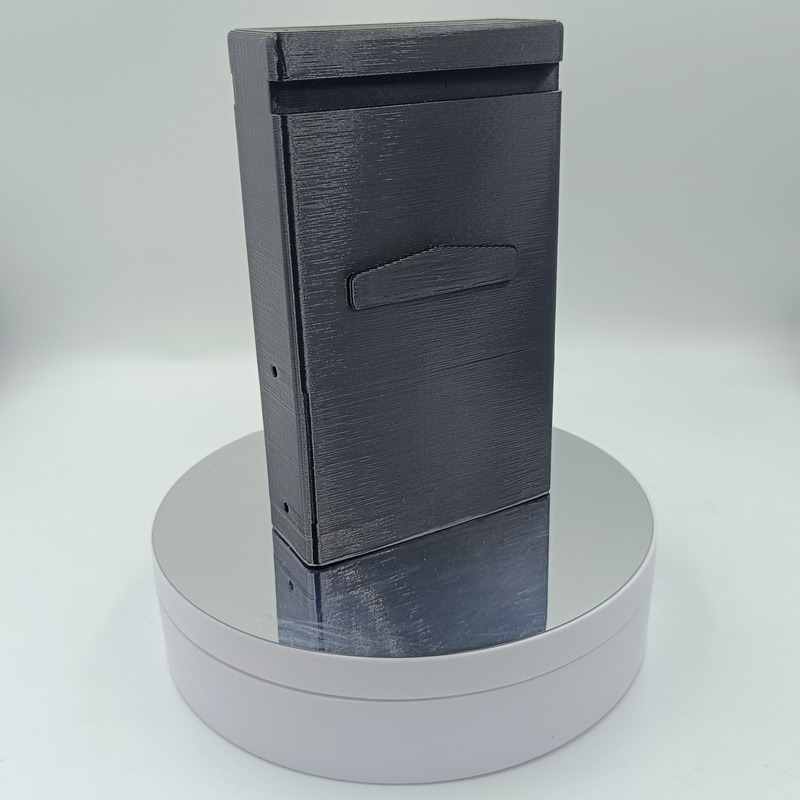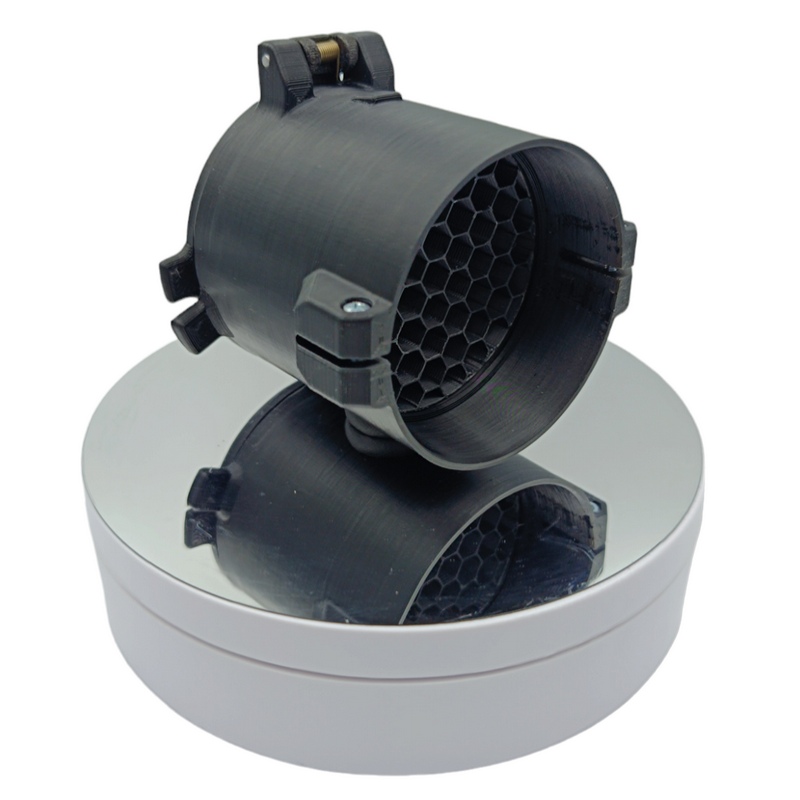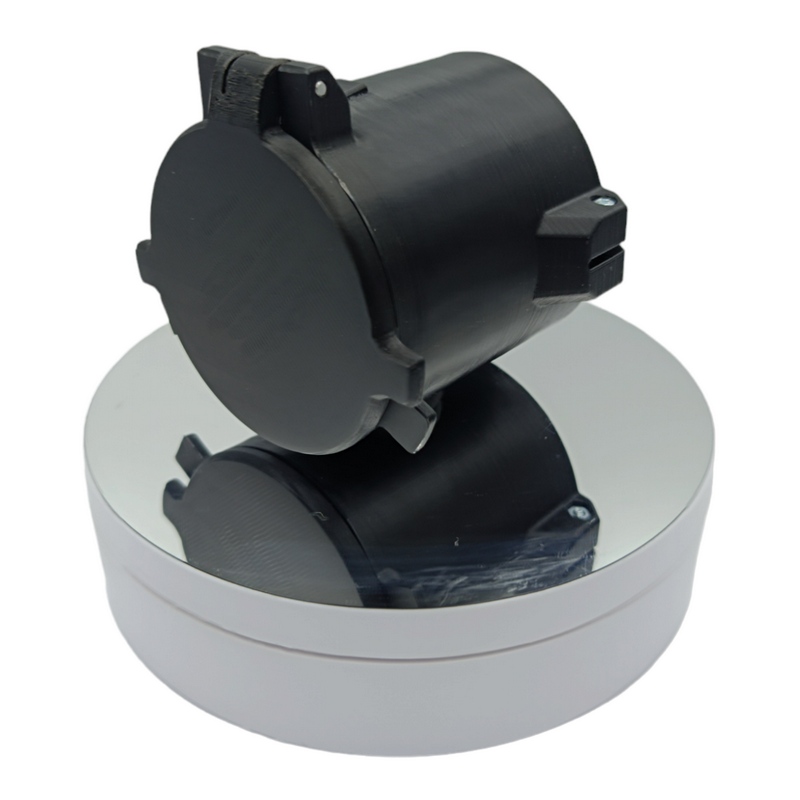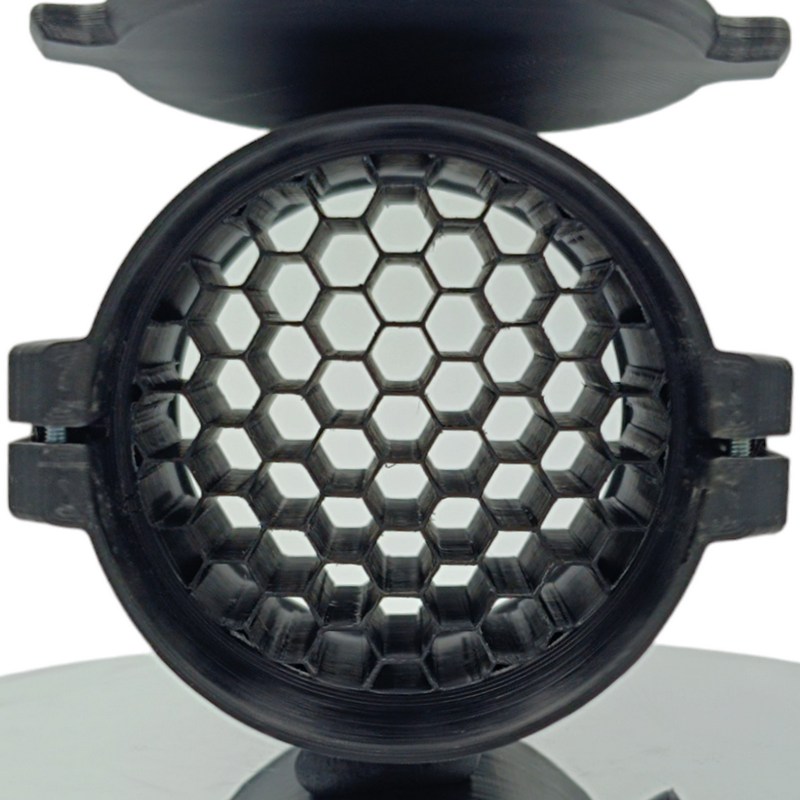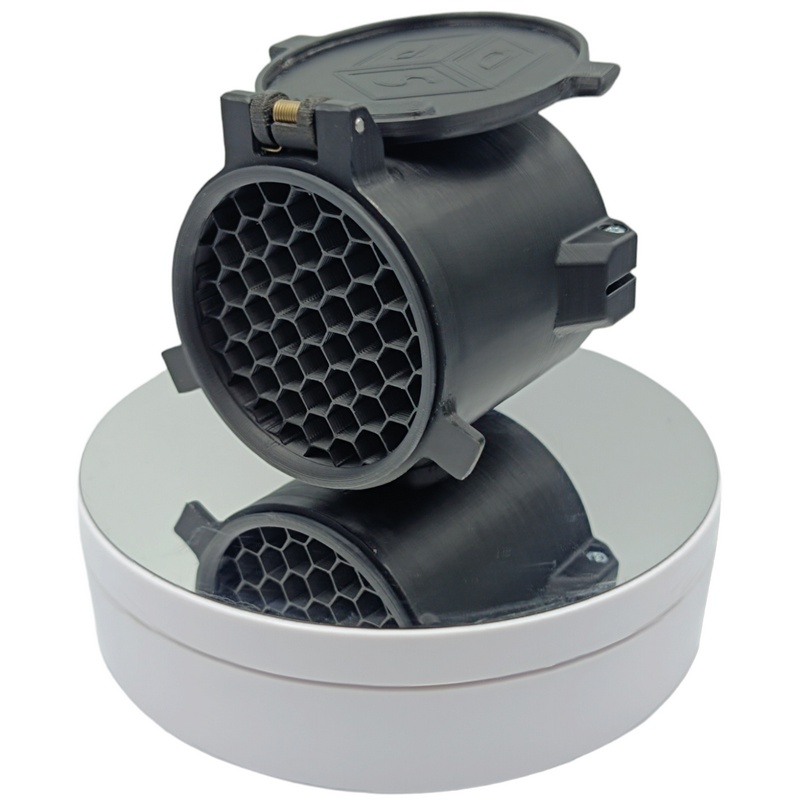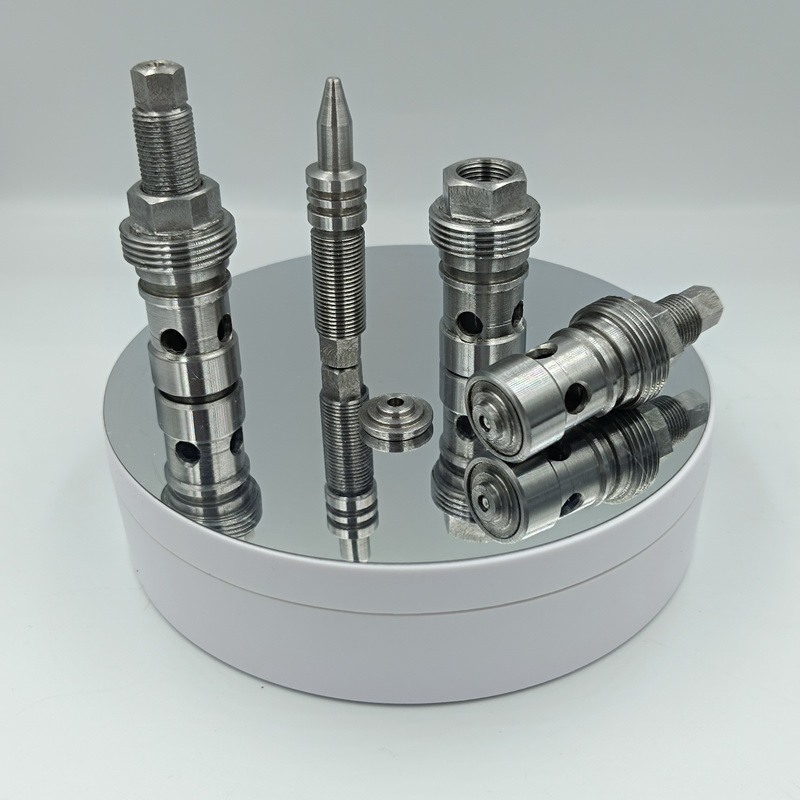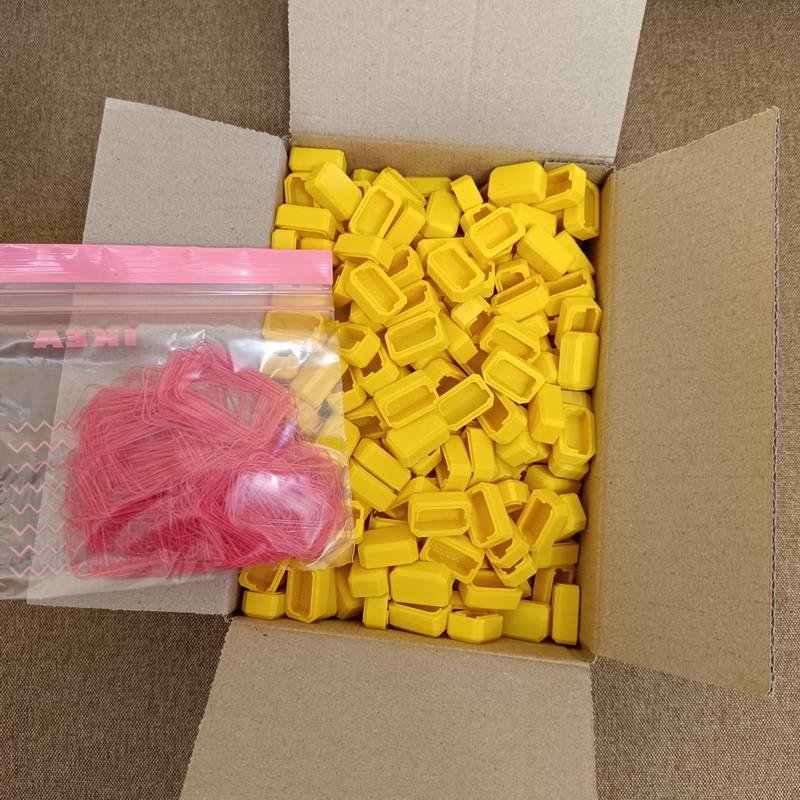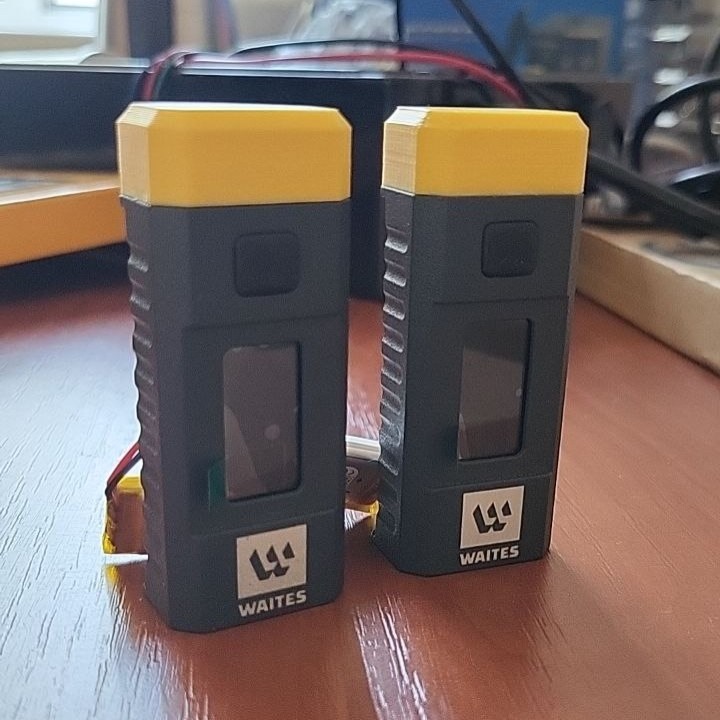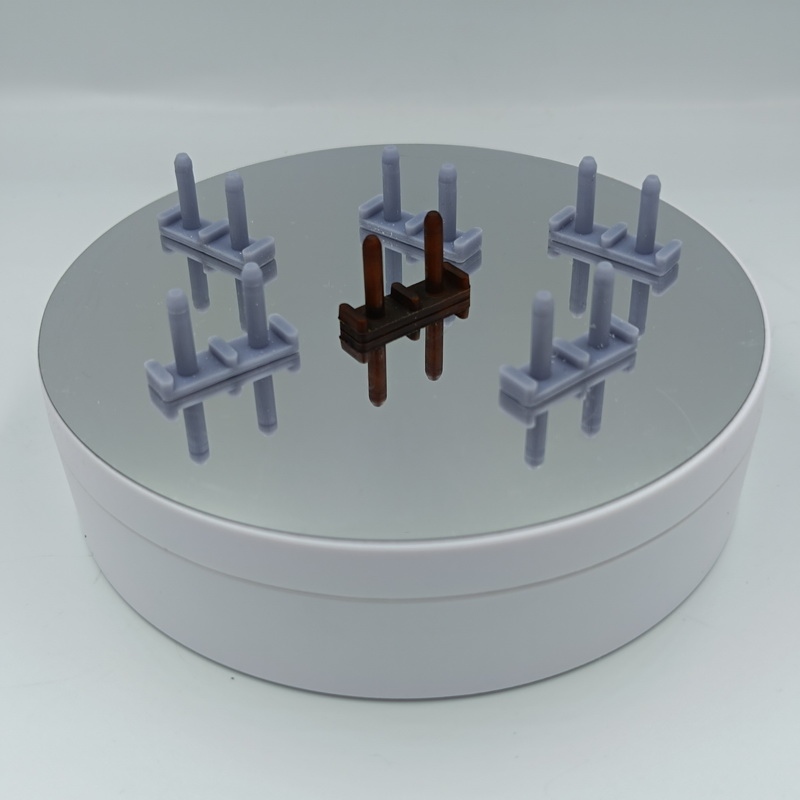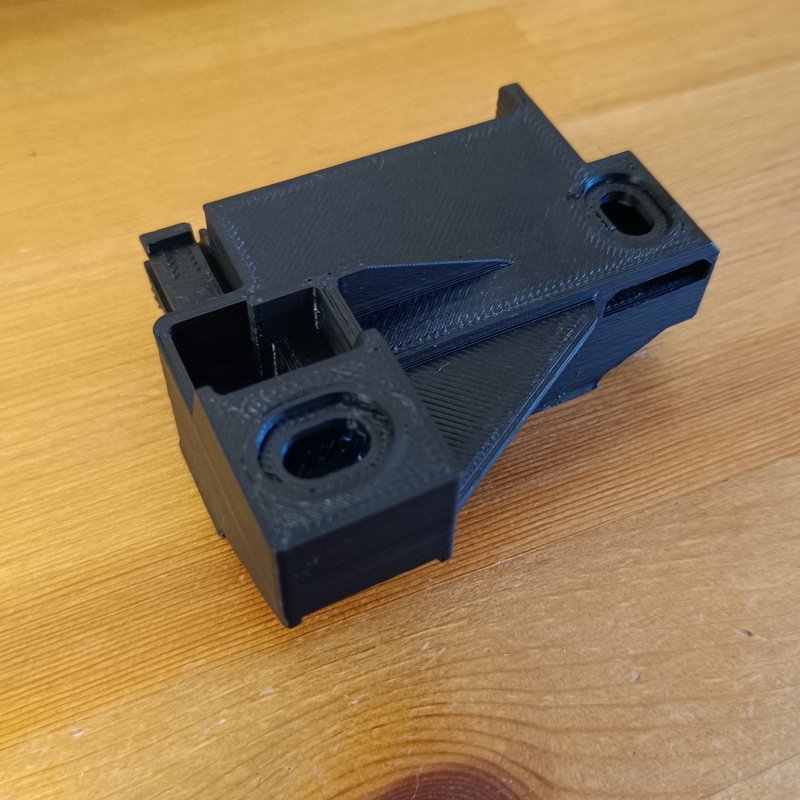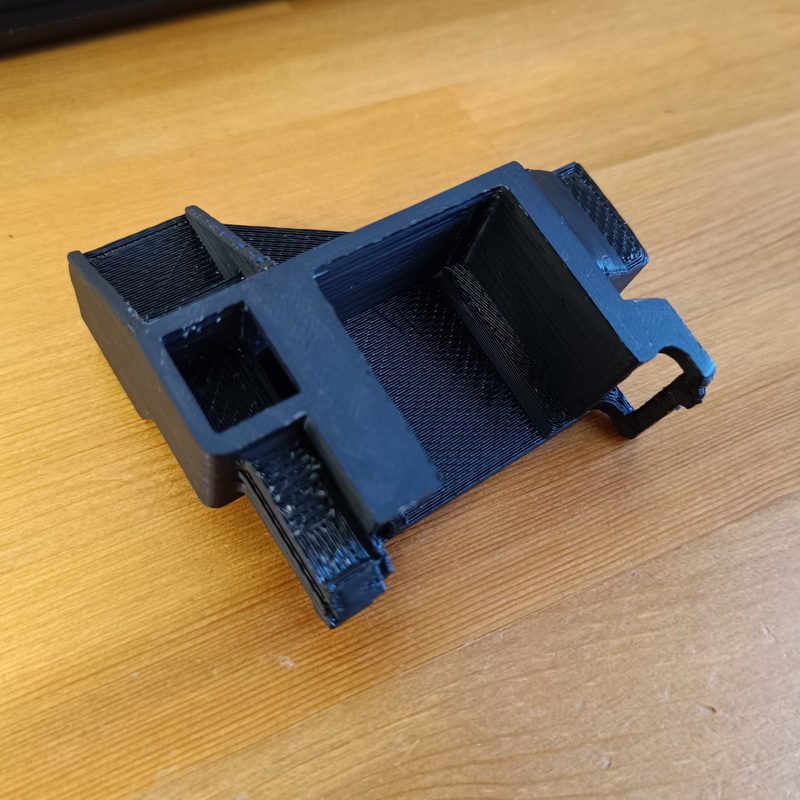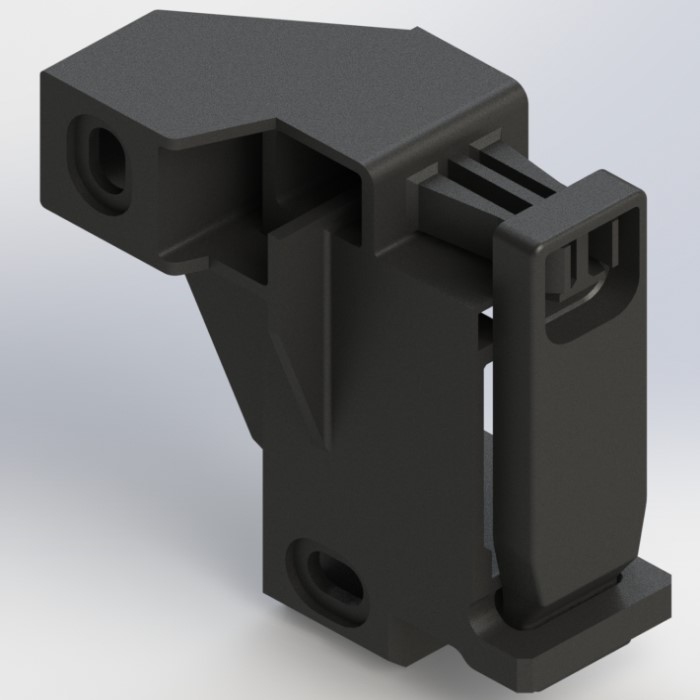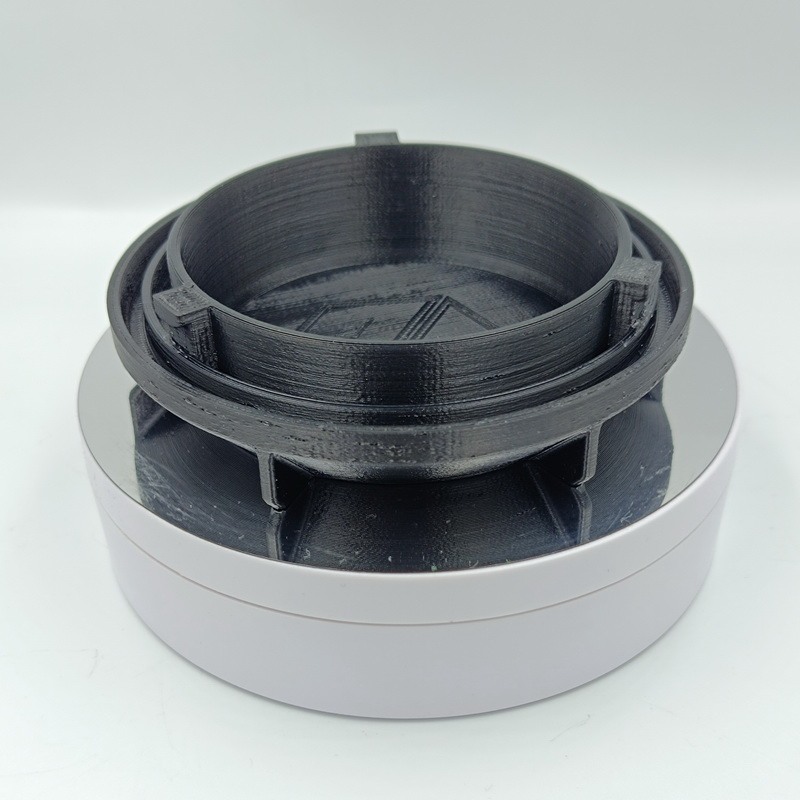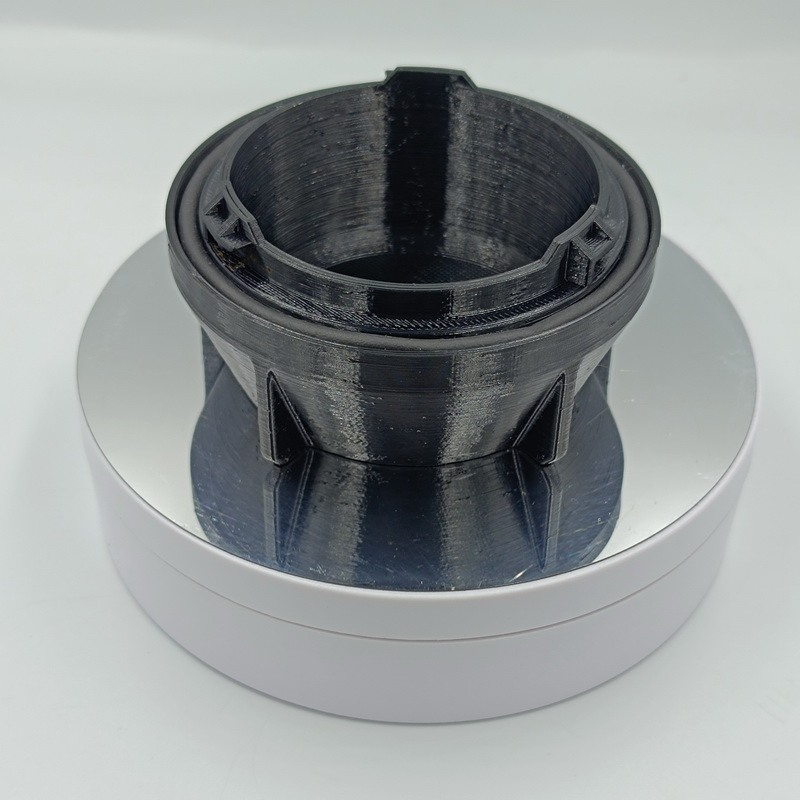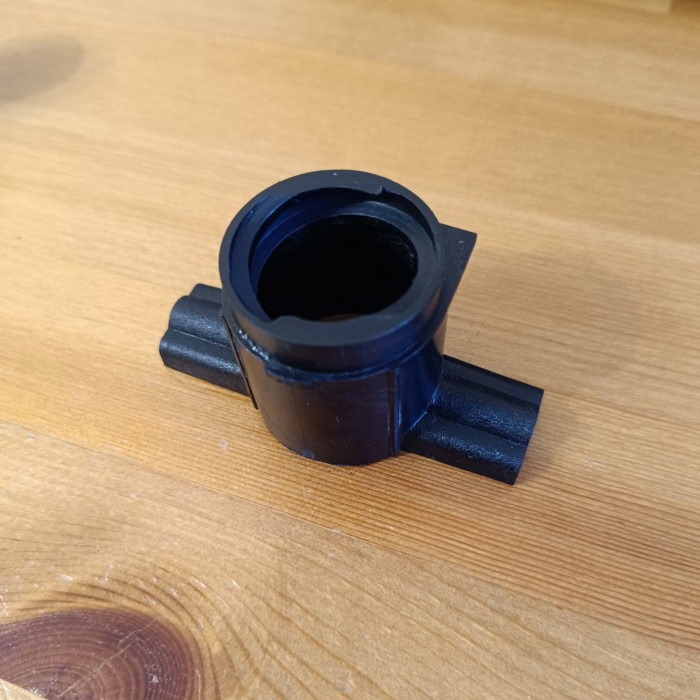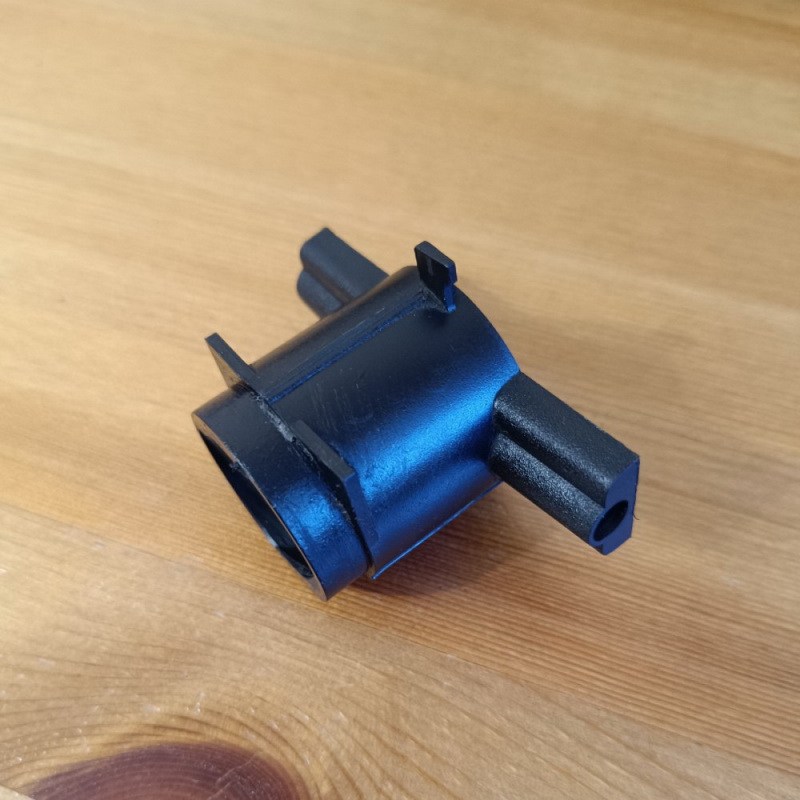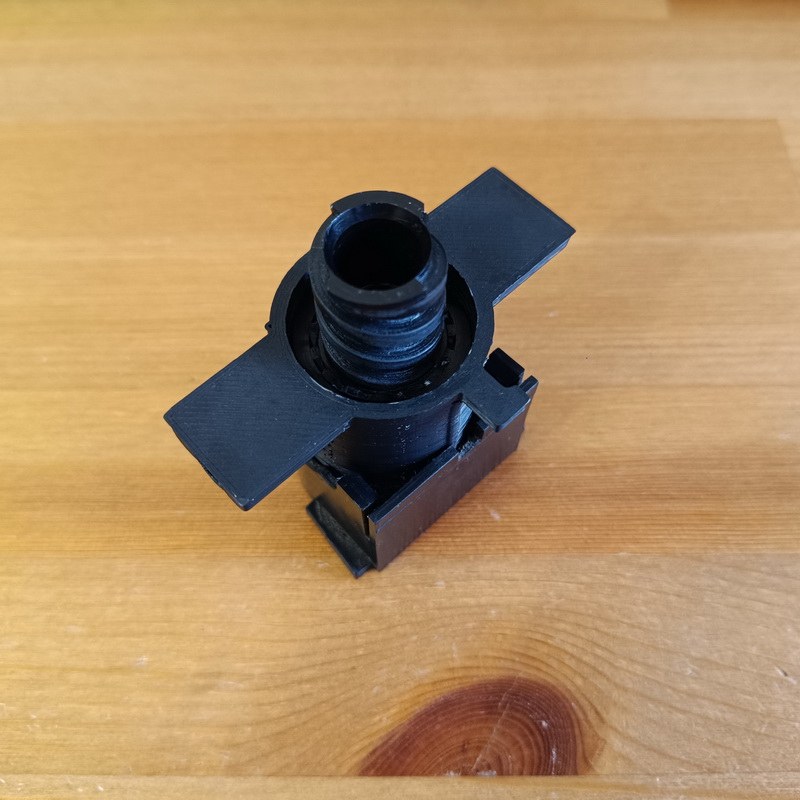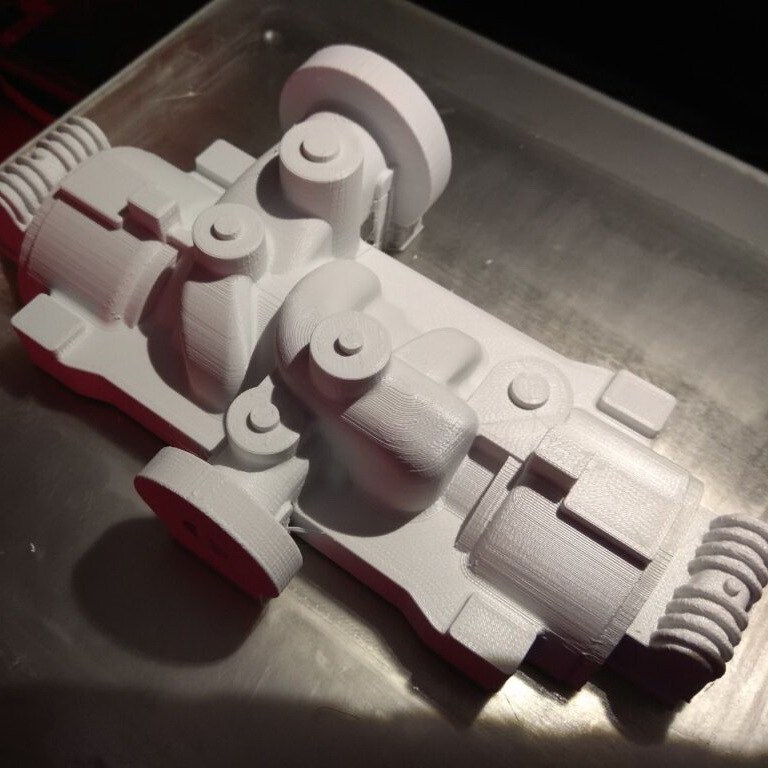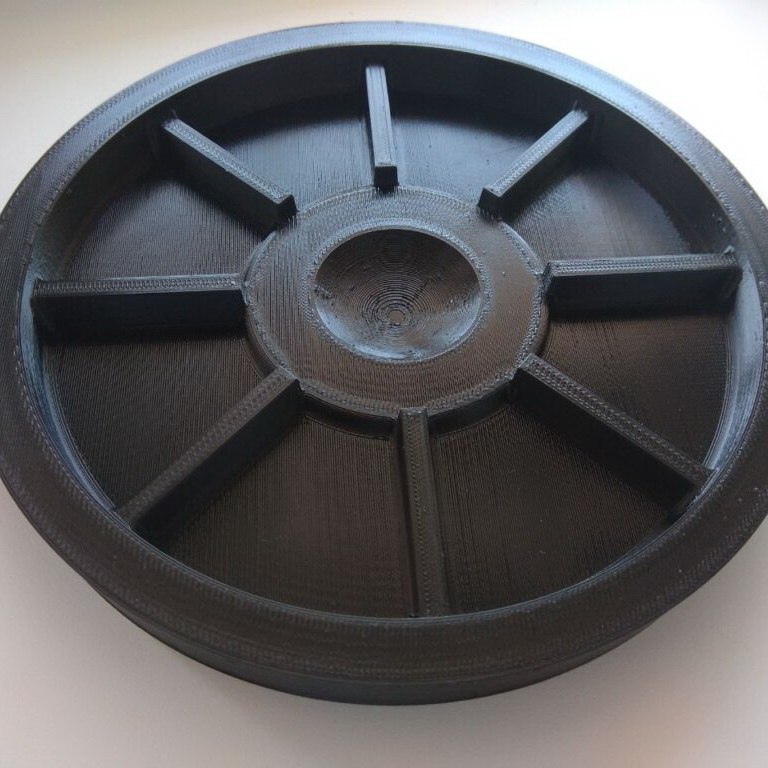

Comparison of SLA and FDM 3D printing technologies by main parameters. This will allow us to understand the advantages and disadvantages of each of these technologies.
SLA (Stereolithography) and FDM (Fused Deposition Modeling) are two of the most popular 3D printing technologies. While both are additive manufacturing processes, they differ in the way they create 3D objects.
Process
SLA
SLA technology uses a liquid resin that is cured by a laser or a UV light source to create the desired shape layer by layer. The liquid resin is stored in a vat, and the laser or UV light source is directed to the surface of the liquid to cure the resin and create a solid layer. Once a layer is complete, the build platform moves up, and the process is repeated until the object is completed.
FDM
FDM technology uses a spool of thermoplastic material that is melted and extruded through a nozzle to create the desired shape layer by layer. The extruded material is deposited onto a build platform, where it cools and solidifies to form a layer. The build platform moves down, and the process is repeated until the object is completed.
Material
SLA
SLA technology uses liquid resins made from photopolymer that cure when exposed to a specific wavelength of light. These resins come in a variety of colors, finishes, and properties and can be engineered to meet specific requirements.
FDM
FDM technology uses a variety of thermoplastic materials, such as PLA, ABS, PETG, and Nylon. These materials come in different colors and properties and can be used to create a wide range of objects.
Surface Finish
SLA
SLA technology produces high-quality, smooth surface finishes due to the nature of the curing process. It is particularly well-suited for creating small, intricate objects with high levels of detail.
FDM
FDM technology produces rougher surface finishes due to the extrusion process. However, post-processing techniques like sanding or polishing can be used to achieve a smoother finish.
Accuracy
SLA
SLA technology is highly accurate and capable of producing intricate, complex shapes with very high precision.
FDM
FDM technology is less accurate than SLA due to the extrusion process. However, it is still capable of producing objects with reasonable accuracy and precision.
Cost
SLA
SLA technology tends to be more expensive than FDM due to the cost of the photopolymer resins and the specialized equipment required.
FDM
FDM technology is generally less expensive than SLA due to the lower cost of the thermoplastic materials and the simpler equipment required.
Comparison of SLA and FDM 3D printing technologies:
Conclusion
In summary, both SLA and FDM technologies have their strengths and weaknesses, and the choice of technology ultimately depends on the specific requirements of the project. SLA technology is better suited for creating small, intricate objects with high levels of detail, while FDM technology is better suited for creating larger, less complex objects at a lower cost.