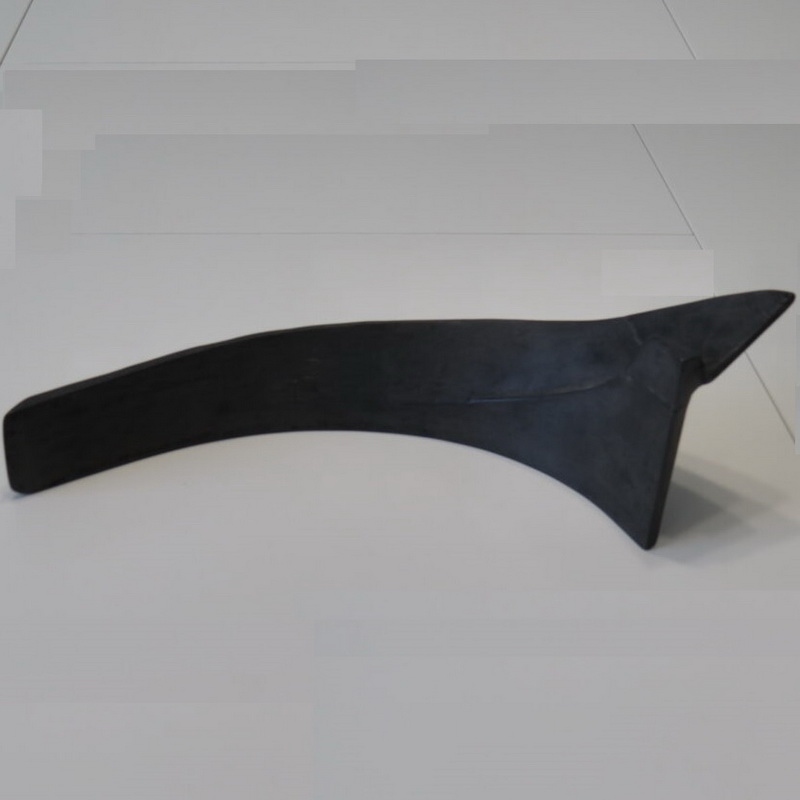

HP Multi Jet Fusion Technology Overview
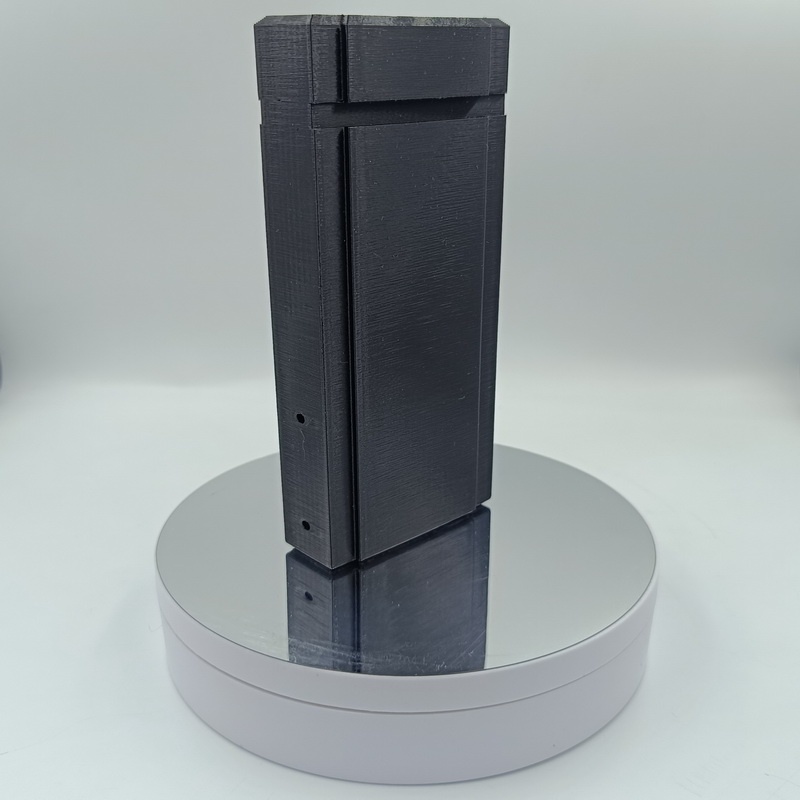
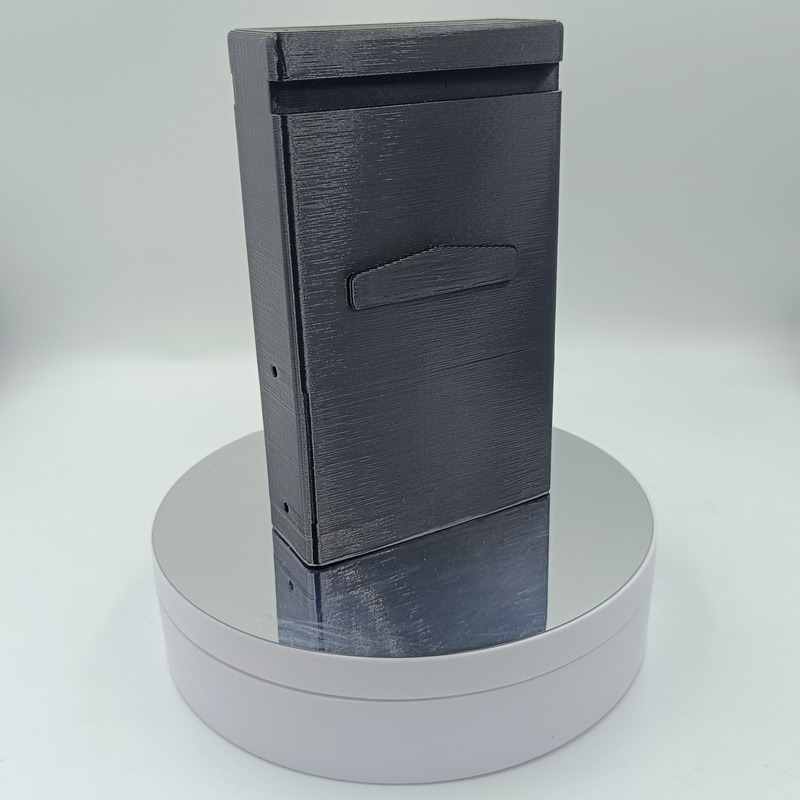
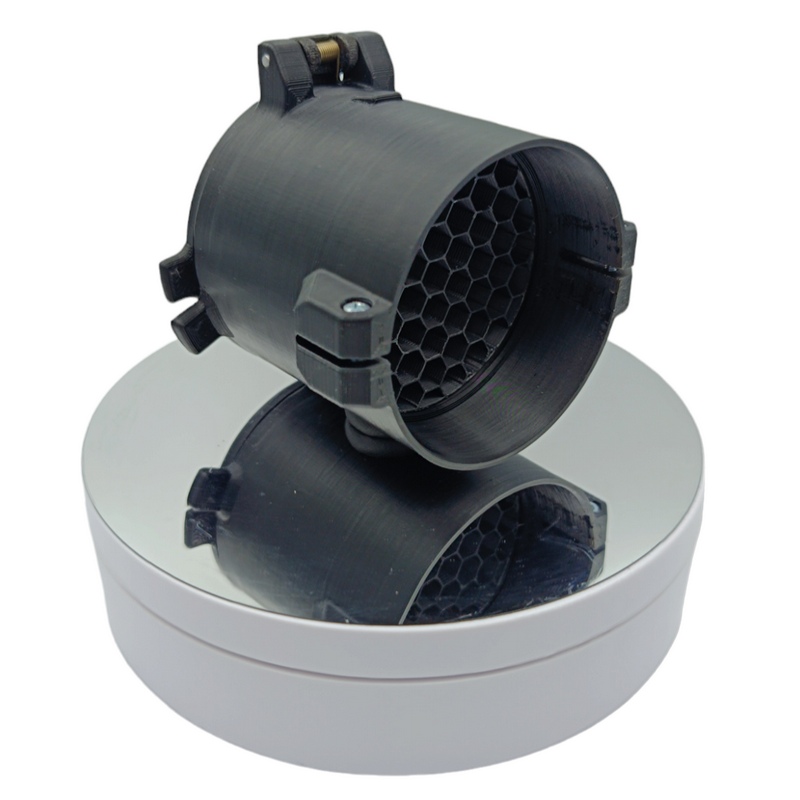
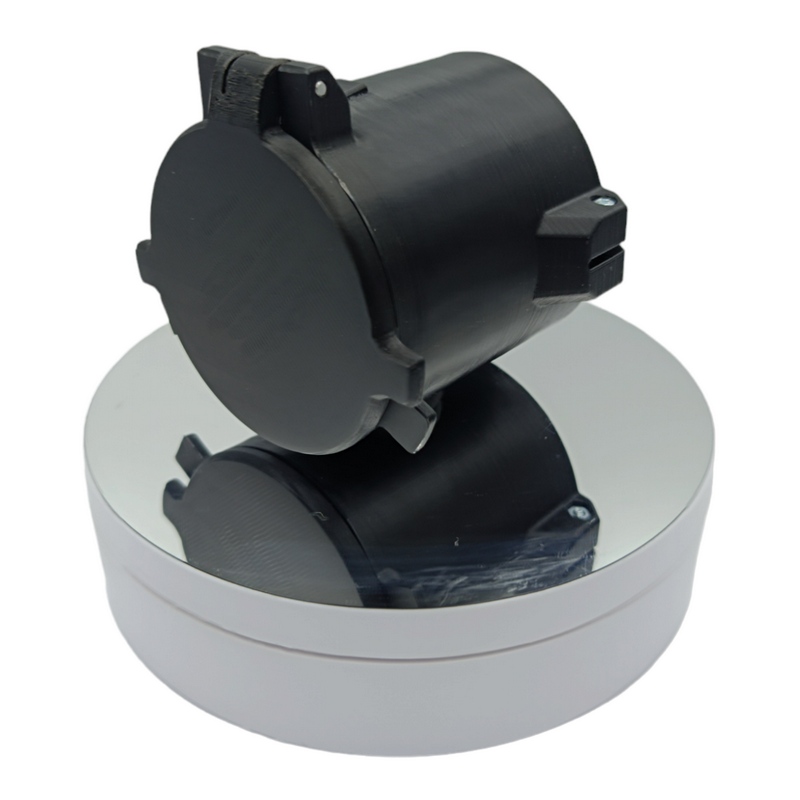
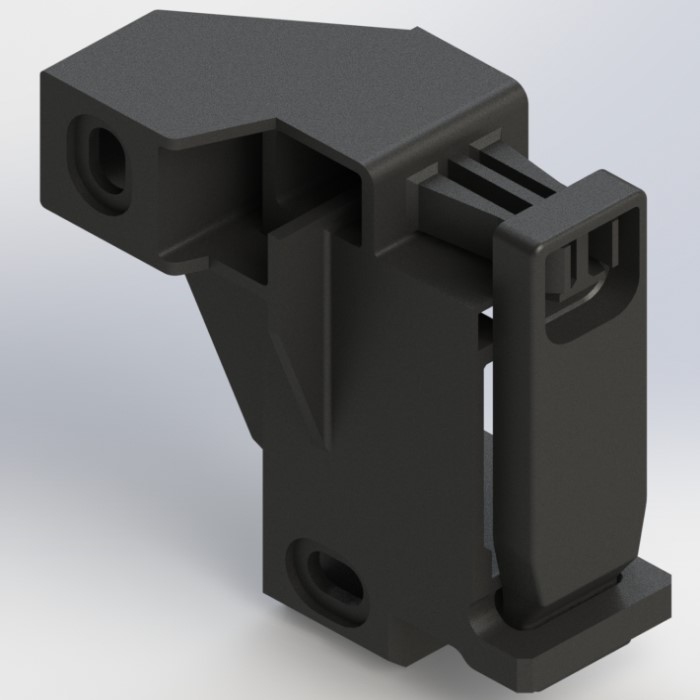
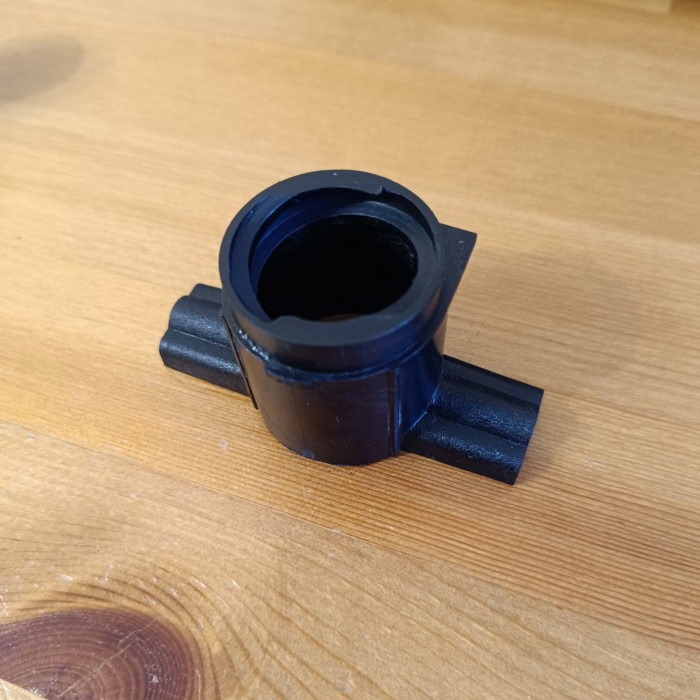
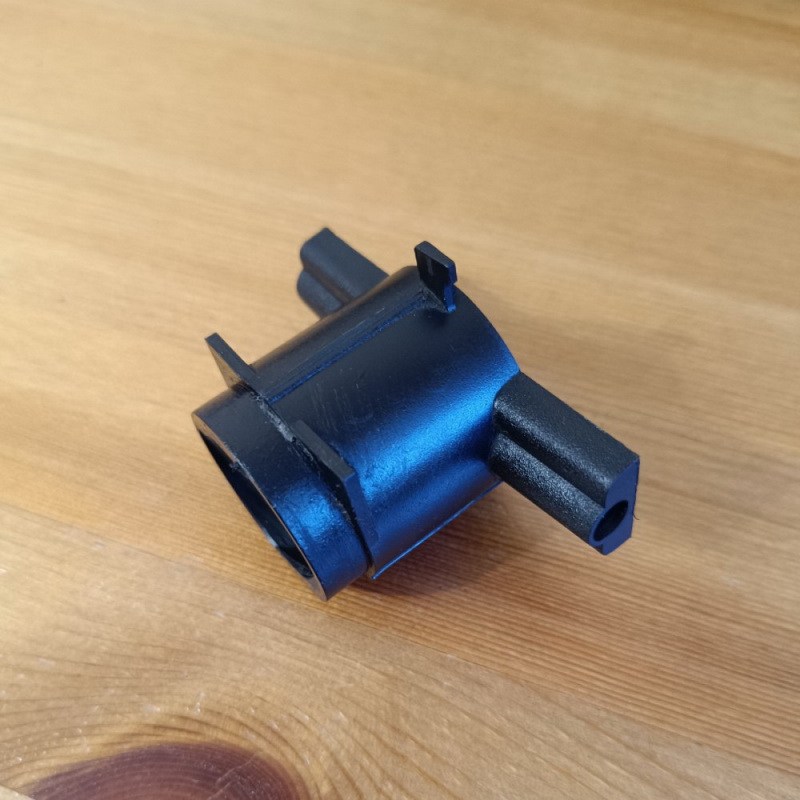
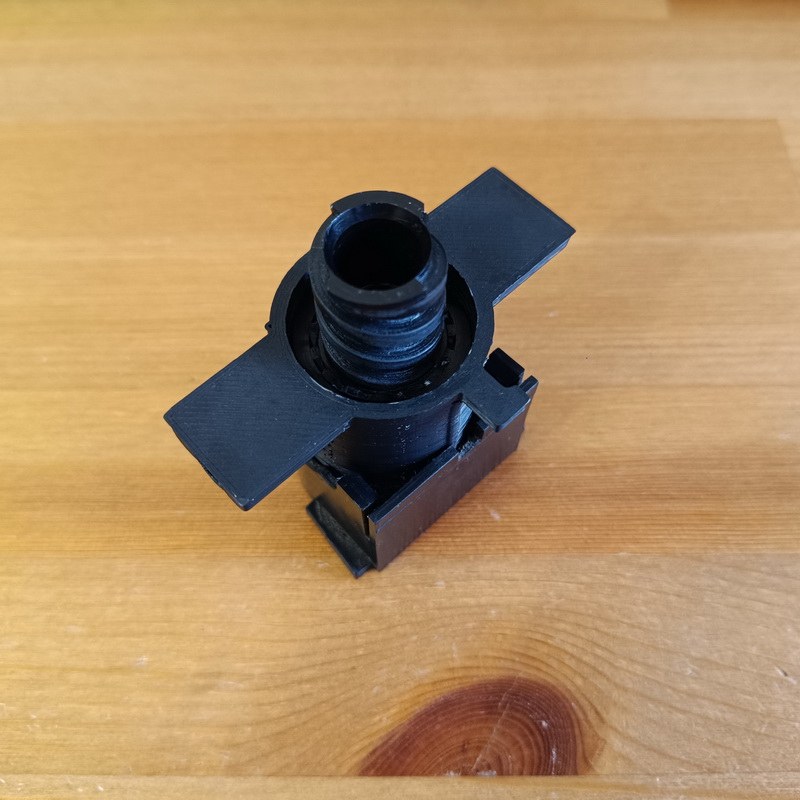
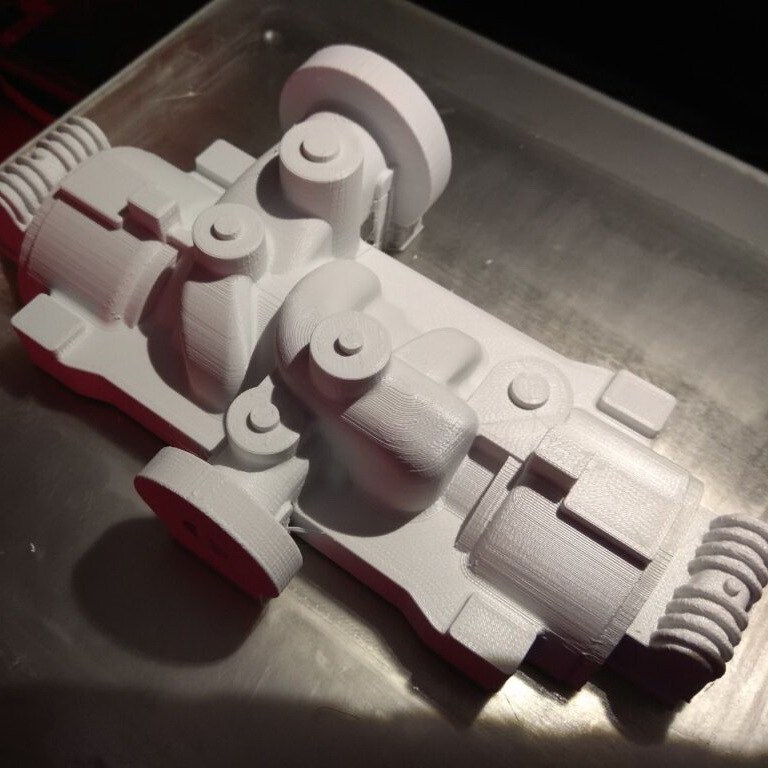
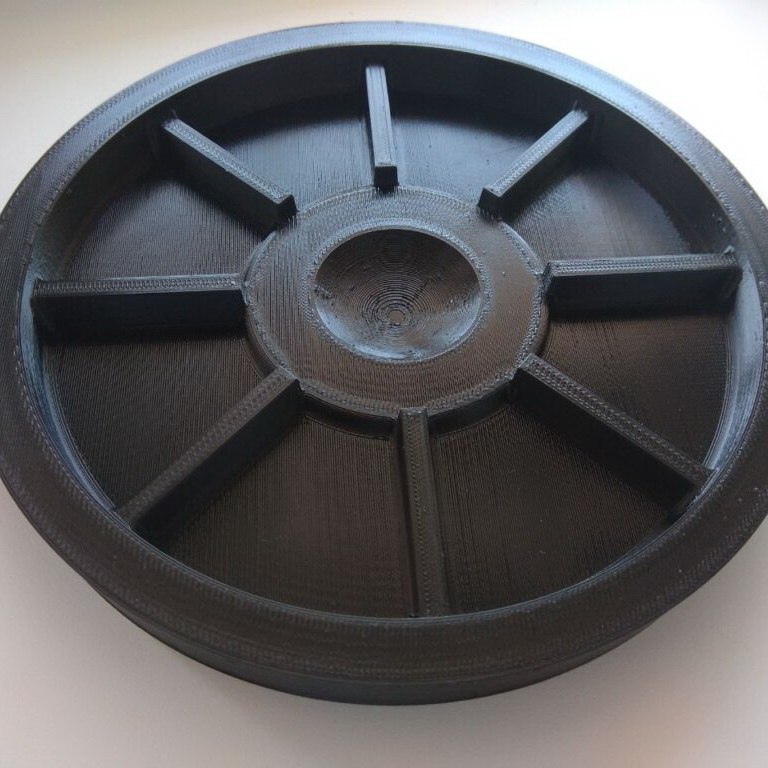
HP Multi Jet Fusion (MJF) is a 3D printing technology that combines inkjet printing with powder fusion to manufacture functional parts. In this process, a layer of nylon-based powder is spread across the build area of the printer. Then, a melting agent is applied through inkjet printing to specific areas of the powder layer, followed by a detailing agent that defines the edges and contours of the part. A heating element then melts the powder in the areas where the melting agent was applied, creating a solid layer. This process is repeated for each layer, building up the part from scratch.
The advantages of this technology include:
Speed: One of the most significant advantages of MJF is its speed. The printing process is faster compared to other 3D printing technologies, enabling the production of multiple parts in a short timeframe.
Accuracy: MJF can create highly detailed and precise parts . The printing process allows for intricate patterns and geometric shapes, making it suitable for a wide range of applications.
Strength:
MJF parts are known for their strength and durability. They are made from robust nylon material capable of withstanding high temperatures and loads.
Versatility:
MJF can be used to create a broad spectrum of parts, from small intricate components to larger functional pieces. It can also produce parts with varying levels of flexibility and hardness.
Cost-effectiveness:
MJF is a relatively cost-effective 3D printing technology, especially for producing small and medium-sized parts in low to medium volumes. It offers a more accessible alternative to traditional manufacturing methods for low-volume production.
However, there are some limitations to consider:
Limited Material Choice: Currently, MJF is limited to printing materials based on nylon, which could be a drawback for applications requiring different materials. However, HP recently introduced a new version of MJF that can print various materials, including TPU and PP.
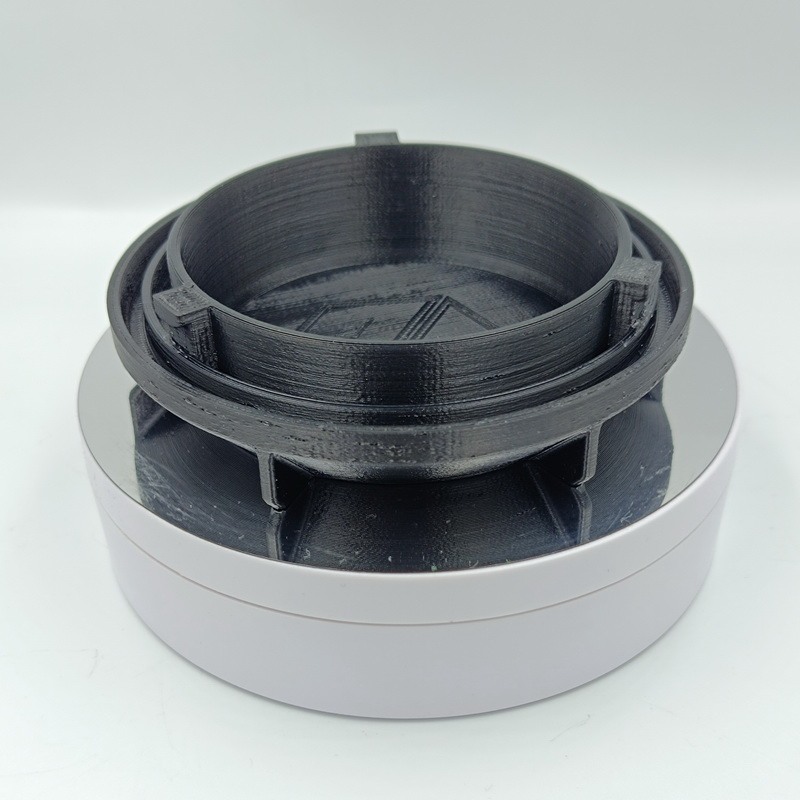
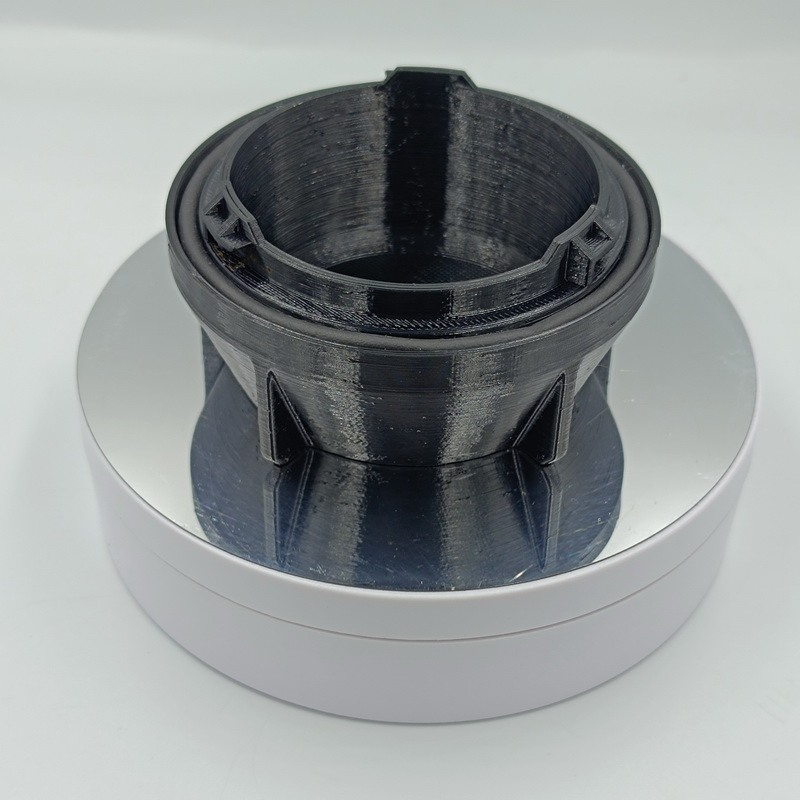
Surface Finish: MJF parts can have a slightly rough surface due to the powder-based process, which may not be ideal for some applications. Additional post-processing steps such as sandblasting, or polishing might be needed for a smoother finish.
Post-Processing:
Parts produced with MJF require additional post-processing steps like sandblasting or tumbling to remove excess powder residue and improve surface quality. This can increase production time and costs.
Size Limitations: MJF has size limitations for parts that can be printed, with a maximum build volume of approximately 380 x 270 x 380 mm. Larger parts need to be printed in multiple sections and assembled after printing, which could complicate the process and increase costs.
In conclusion, HP Multi Jet Fusion is a high-speed and high-precision 3D printing technology that offers strength, versatility, and cost-effectiveness for producing small to medium-sized parts in low to medium volumes. Considerations regarding material selection, surface finish, post-printing requirements, and size limitations should be considered when deciding to use MJF for a specific application. Despite these limitations, MJF remains a valuable tool for creating functional parts in various industries, including aerospace, automotive, and medical sectors.