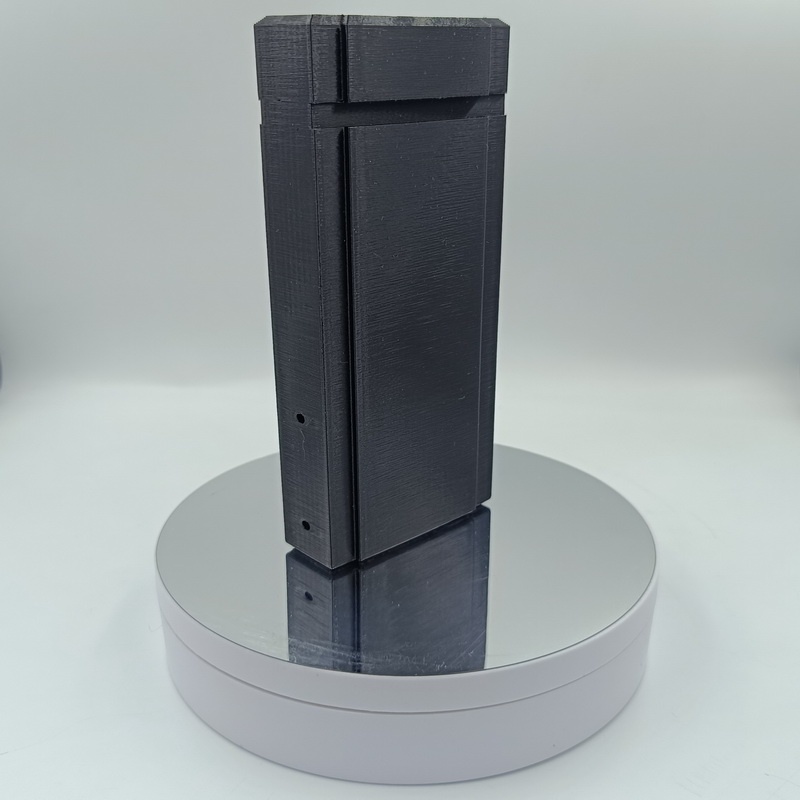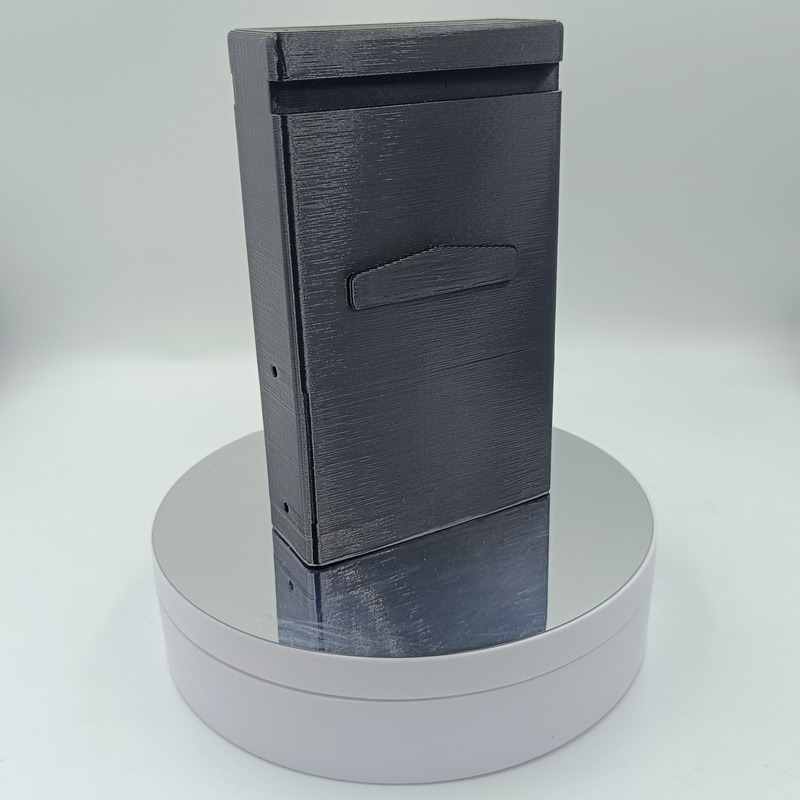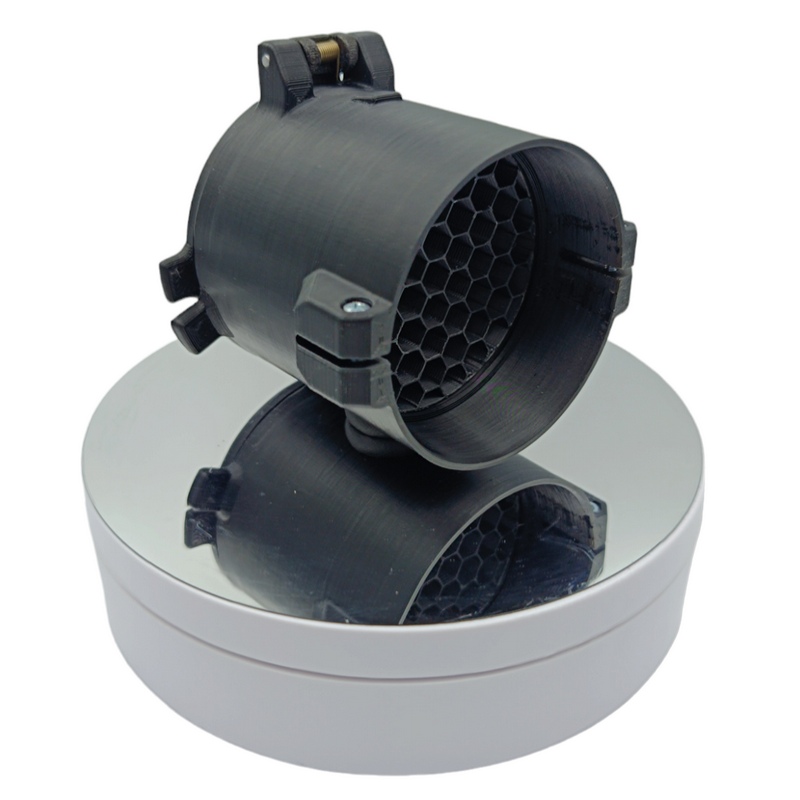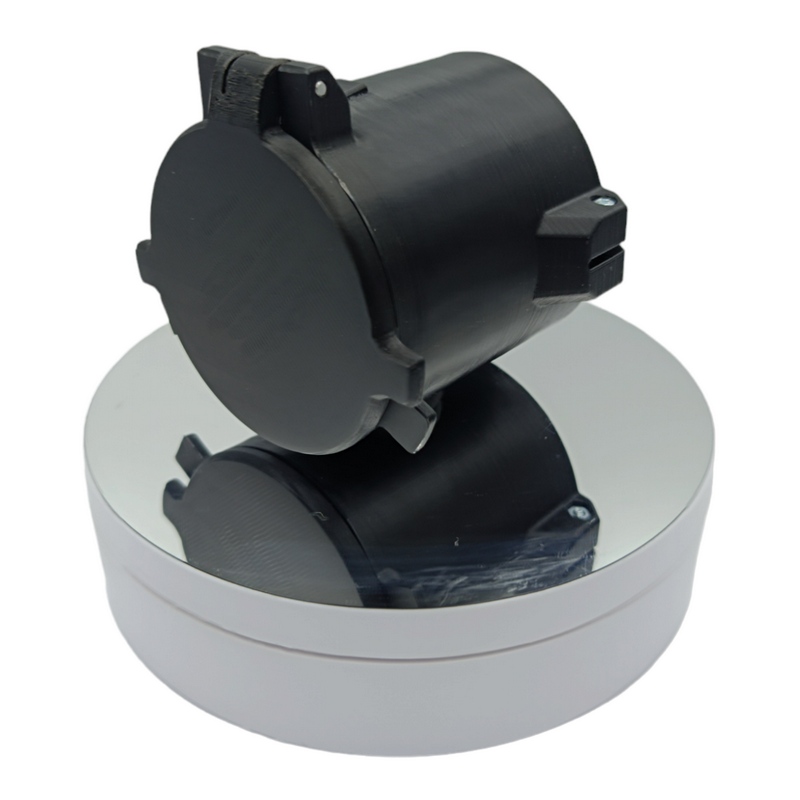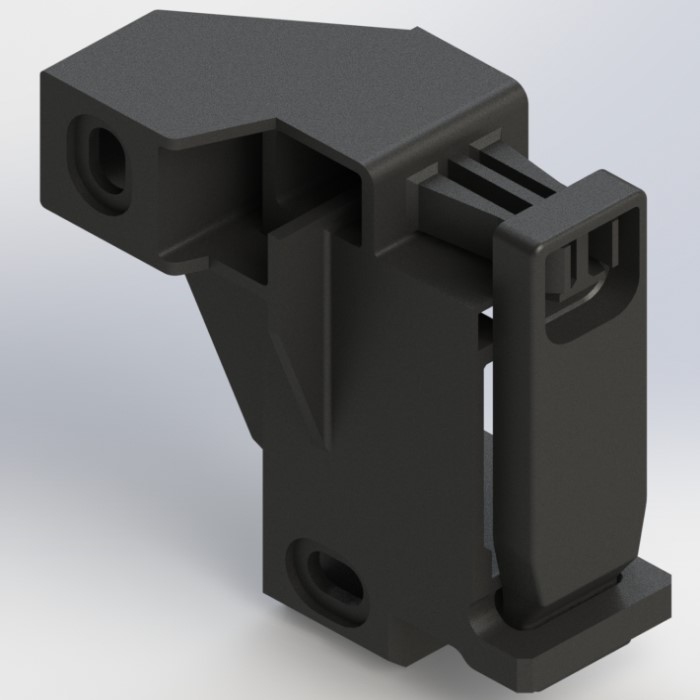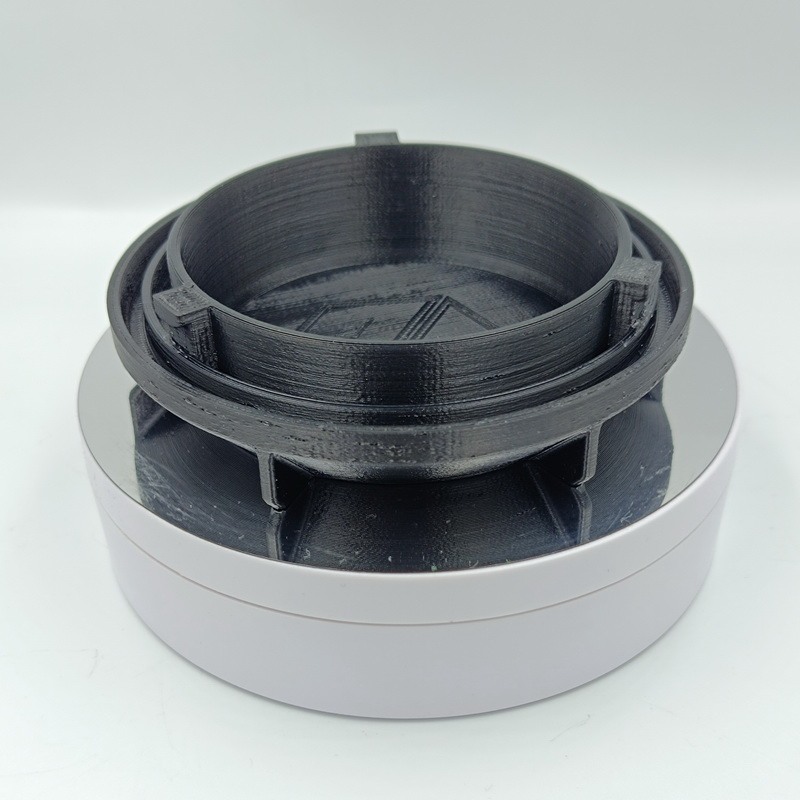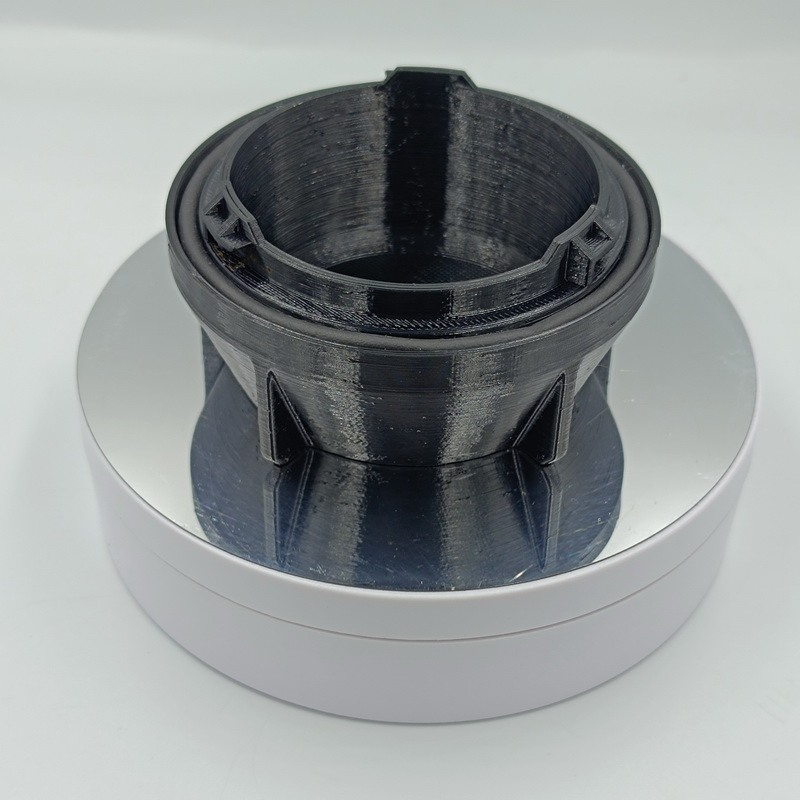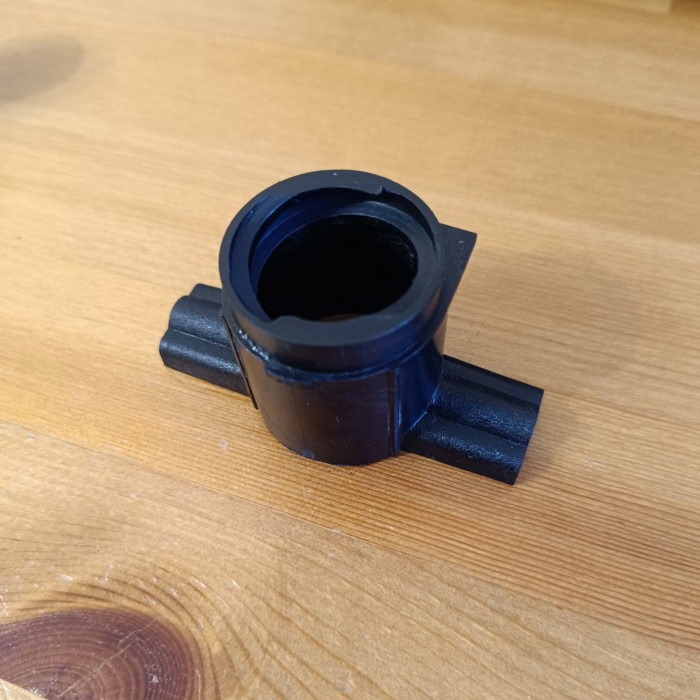

Overview of Stereolithography Technology – SLA Printing
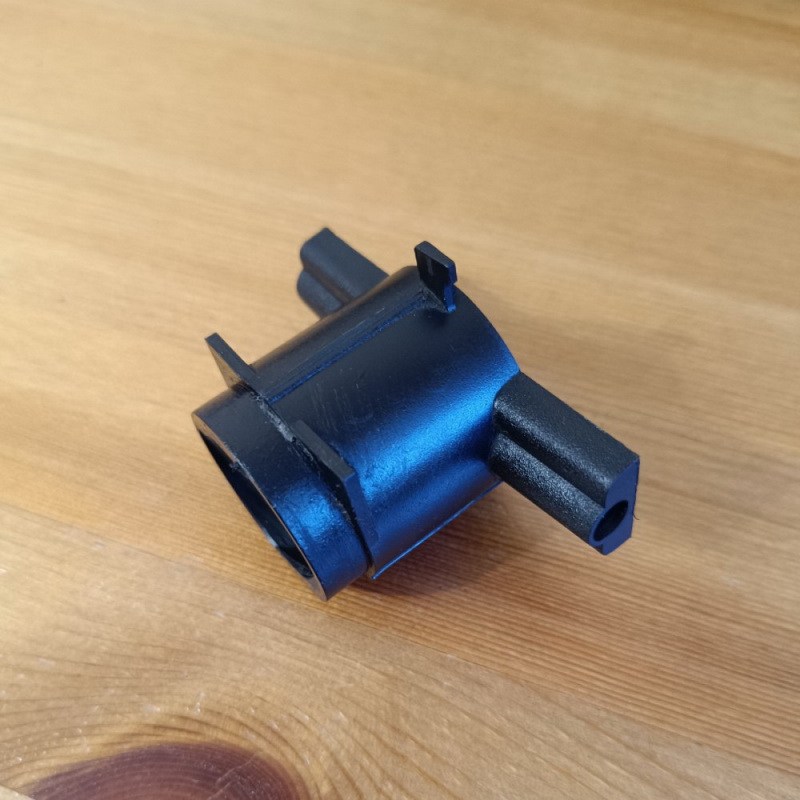
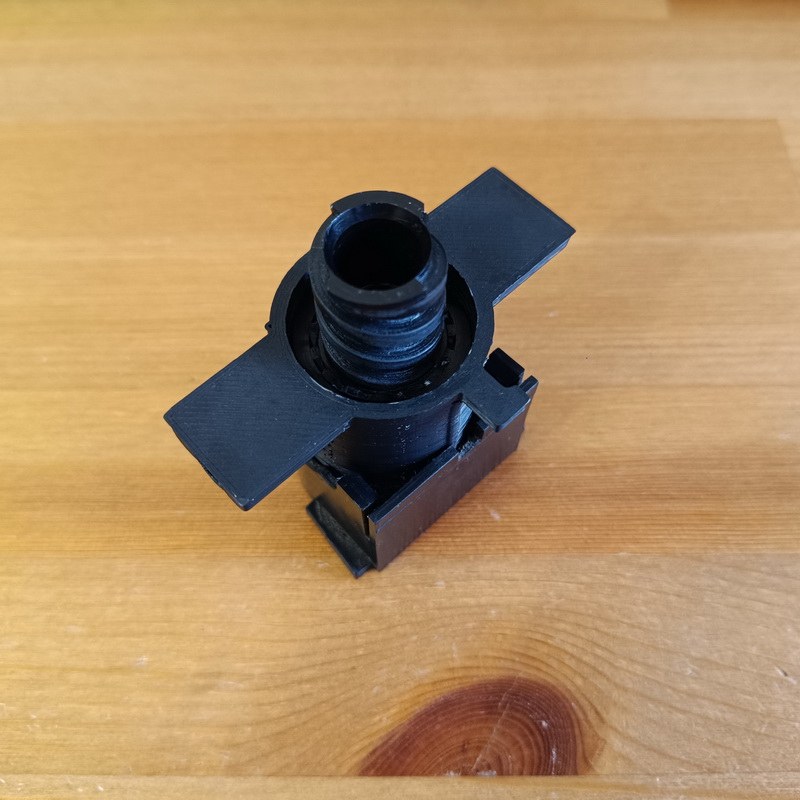
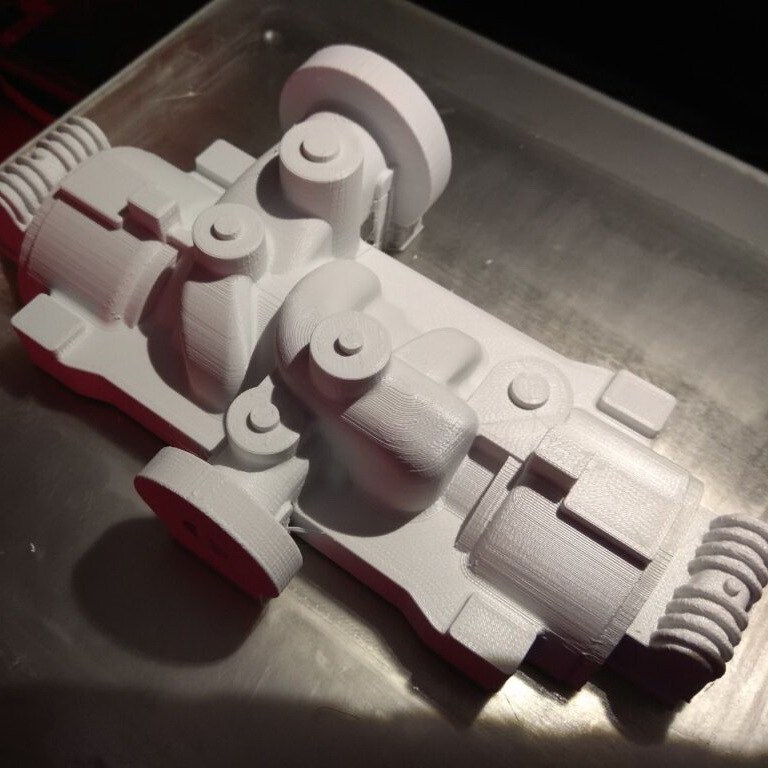
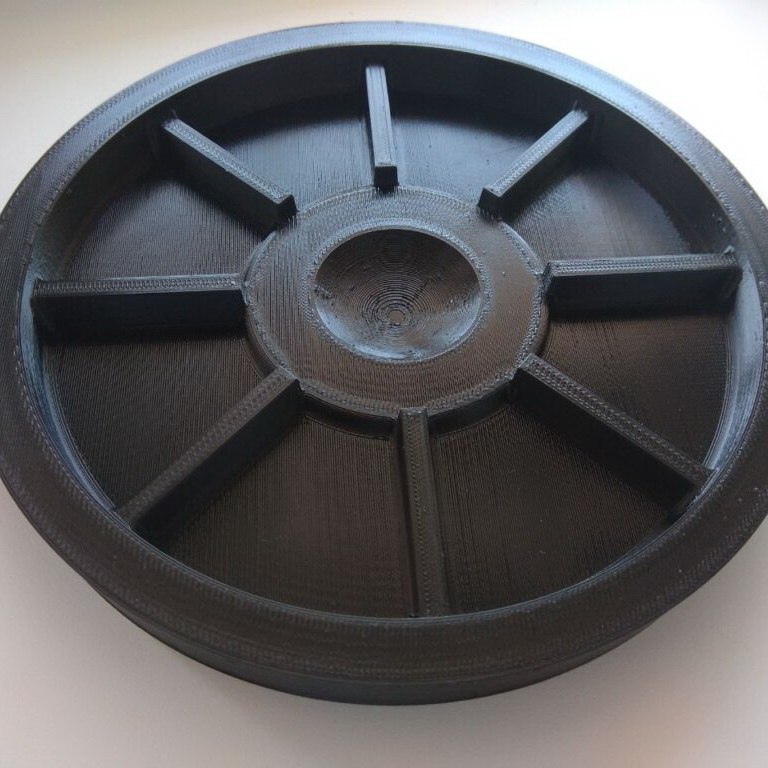
Stereolithography (SLA) 3D printing is an additive manufacturing technology that utilizes photosensitive resin cured by a laser to create 3D-printed objects.
How it Works:
SLA 3D printing operates by employing a reservoir of liquid photosensitive resin and a UV laser. The laser is used to selectively solidify the resin in specific areas, creating layers of solid material. The print platform slightly lowers after each layer is cured, and the process is repeated until the object is complete. Once printing is finished, the object is removed from the reservoir and cleaned to remove excess resin.
Advantages:
- High Resolution: SLA 3D printing enables the production of highly detailed and precise parts, with layer heights as low as 25 microns.
- Wide Material Range: A diverse range of photosensitive resins is available for SLA printing, including resins with varying mechanical properties, colors, and textures.
- Smooth Surface Finish: SLA 3D printing results in parts with smooth surface finishes, making it an excellent choice for creating high-detail components or aesthetically appealing objects.
- Fast Printing Speed: Compared to other 3D printing technologies, SLA 3D printing is relatively fast, with printing speeds reaching several centimeters per hour.
- Support Structures: SLA 3D printing allows for the creation of easily removable support structures, enabling the fabrication of intricate and delicate geometries that might be challenging using other 3D printing methods.
Disadvantages:
- Limited Part Size: One of the main limitations of SLA 3D printing is that part size is typically constrained by the size of the resin reservoir. This can complicate the production of large-scale parts using SLA printing.
- Post-Processing Requirement: SLA 3D printed parts require post-processing to remove excess resin and ensure complete curing. This can be time-consuming and extend the overall production time.
- Material Properties: Despite the wide range of available photosensitive resins for SLA printing, they generally have lower durability and thermal resistance compared to materials used in other 3D printing technologies.
- Cost: SLA 3D printing technology is usually more expensive than other 3D printing methods, and the cost of photosensitive resins can be relatively high.
SLA 3D printing is an excellent technology for creating highly detailed and accurate parts with smooth surface finishes. While it may not be the optimal choice for producing large parts or components with specific mechanical properties, it is ideal for fabricating parts that demand a high level of detail and precision.